Chattahoochee Drift

For brands · the media kit · page 44

Useful, not loud.

We work with a few companies a year whose gear we would use anyway. This page is what a partnership looks like: the work you get, how a season runs, what you can use, and the rules we keep. There are no numbers on it on purpose; ask, and we’ll talk about them directly.

What Chattahoochee Drift is

  1. The Sunday Letter

    One letter a week from the river, by email, and every back issue on the site.

  2. The Course

    Reading the River: twenty-four lessons and a field notebook.

  3. The guided days

    Wading, floating and first days on the tailwater, with Ben.

In use

The product, on the river, in our light.

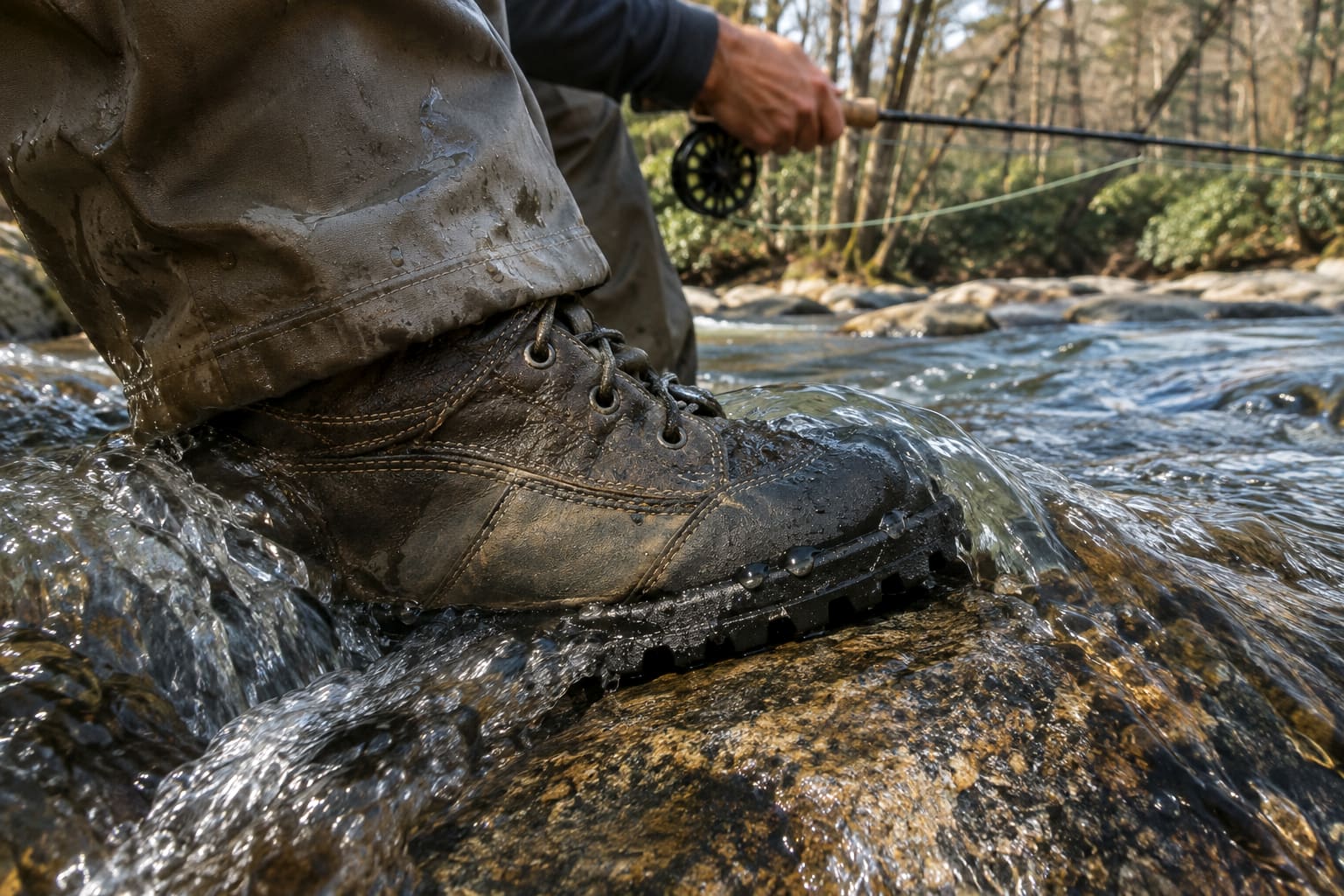
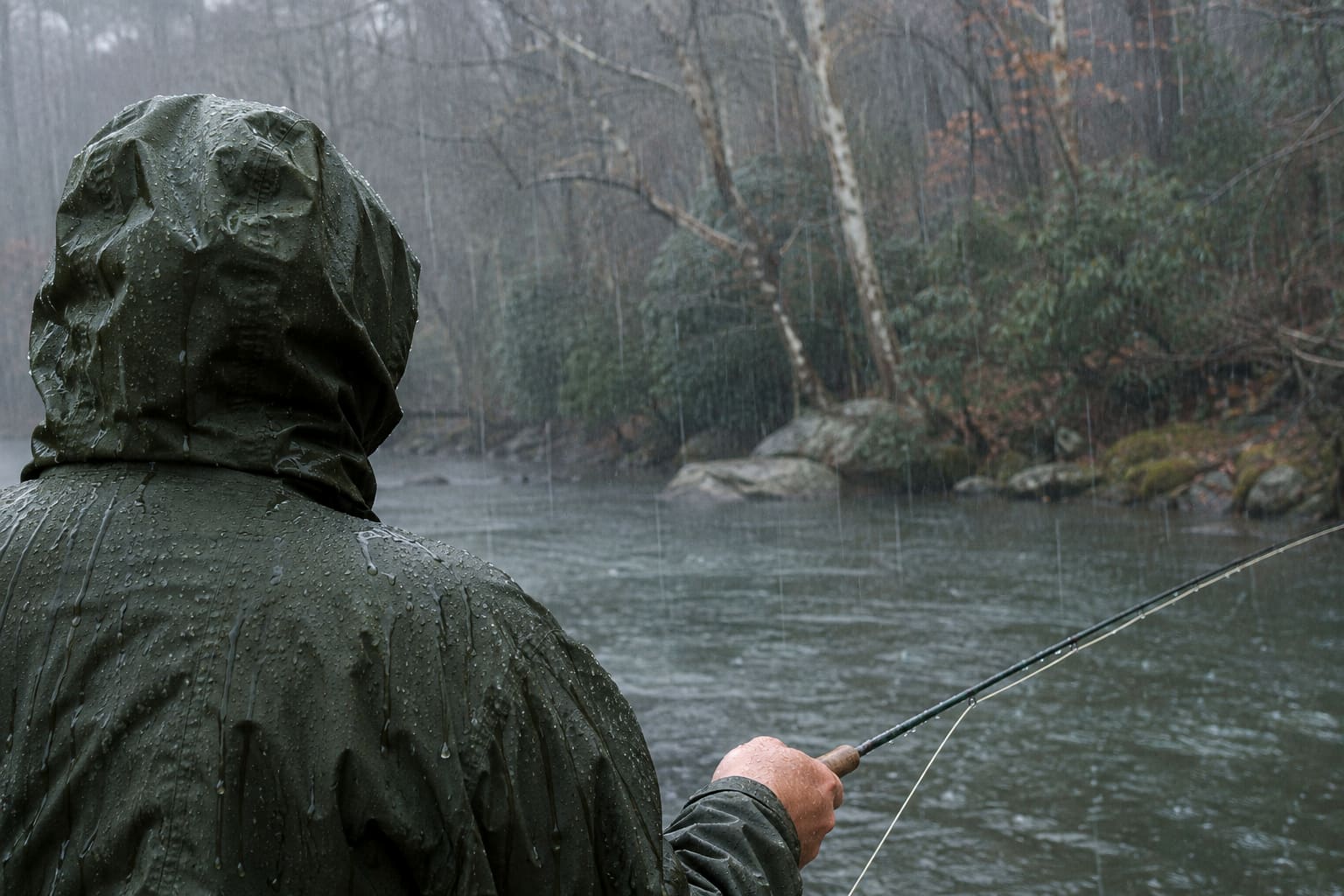
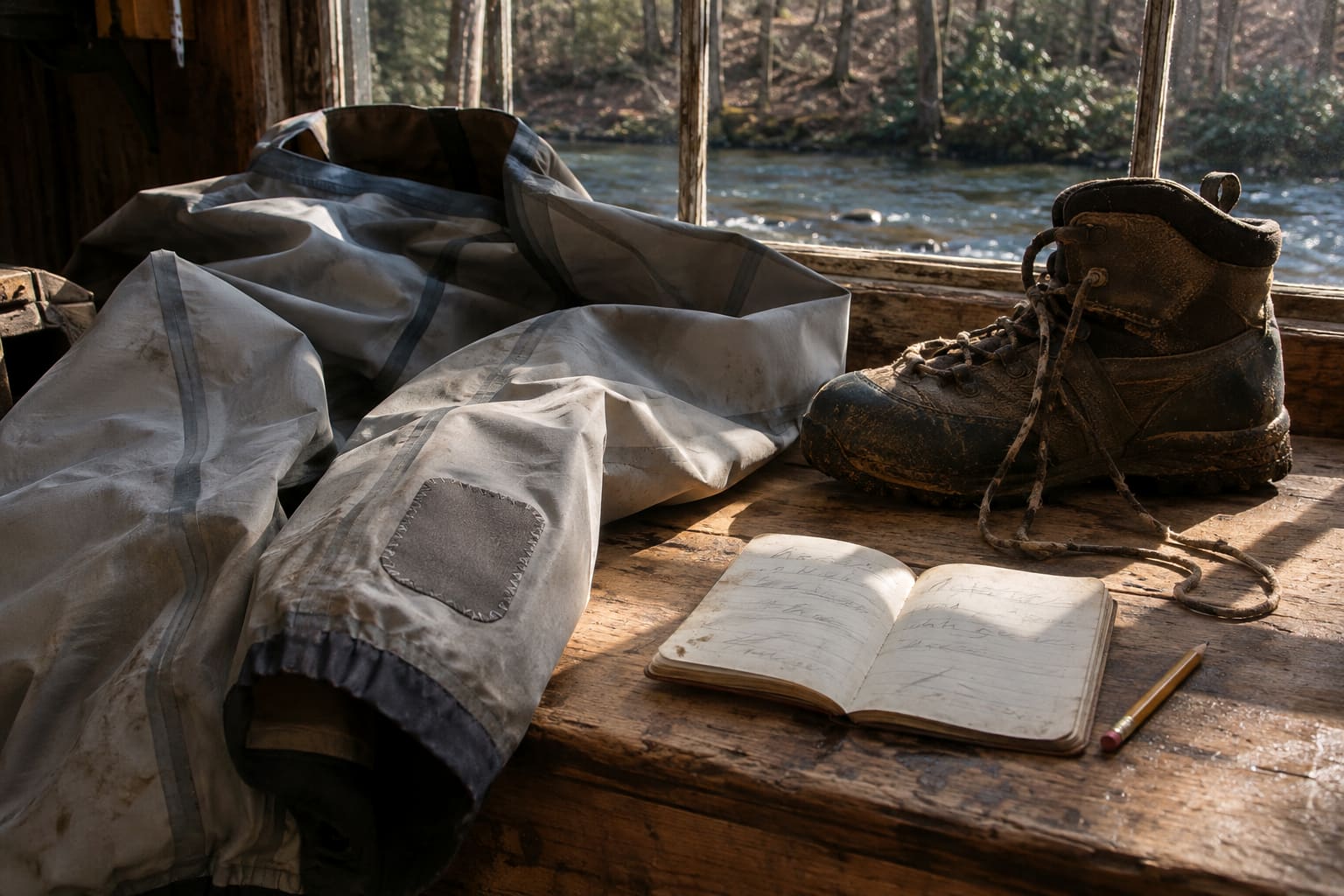
A sequence like this one comes with every season: the product doing its job, in weather, and what it looks like at the end. These frames are our own gear, unbranded.

  1. Macro: the rubber lug sole of a plain wading boot gripping a wet granite ledge, water splitting around the toe.
    No. 1 Grip, on wet granite
  2. From behind: an angler’s shoulder and hood in a plain dark green rain shell in steady rain, water beading on the fabric.
    No. 2 In steady rain
  3. On a workbench by a window over the river: plain waders with a neat patch on one knee, a worn wading boot with frayed laces, a notebook and a pencil.
    No. 3 After a season

A field report

What the write-up looks like.

How a field report is written, and the blank page it starts from. Method, not scores: there are no results on this page, because a report only exists once a season has been fished.

Field report · how one is written

Field report: the form

By Ben Hollis · in the Sunday Letter

What it is
One plain paragraph: what the product is and what it is for, with no claims taken from its maker.
Where it was used
The stretches, the months and the weather, copied from the field notebook, not from memory.
What we watched for
Decided before the first day on the water and written at the top of the notebook page, so the report answers the questions it set.
What failed
When, where and how, in plain words. Left empty if nothing did.
What we’d change
Small and practical, in the order we would change it.
Who it’s for
The angler and the water it suits, and the ones it doesn’t.
Every report is marked as a partnership when it is one.

Field notebook · observations

One page a day on the water

DayStretch and flowWeatherWhat we watched forWhat happened
  1. Filled in the same evening, from the notebook, never from memory.
  2. The flow from the dam’s schedule, and whether it changed while we fished.
  3. Written at the top before the first day, so the page answers the questions it set.
  4. Left blank when nothing happened. A blank is a finding too.

A season

How a partnership runs.

  1. It arrives

    We open it, read nothing about it, and take it to the river.

  2. First use

    In whatever the week brings: fog, rain, a shoal crossing, a long float.

  3. The middle of the season

    Notes in the field notebook, as for anything else we use. Repairs, if it needs them.

  4. The field report

    A write-up in the Sunday Letter, in our own words, marked as a partnership.

  5. Notes back

    A plain written report to you: what failed, what we’d change, what anglers asked about.

Notes back

The report you get, and nobody else.

At the end of the season, a plain written report to your team. The margin says what goes in each part.

Notes back · end of season

To the product team

  1. What failed

    Be specific: when, where, how. Not a score.

  2. What we’d change

    Small and practical, in the order we’d change it.

  3. What anglers asked about

    The questions we were asked about it on the river.

  4. What we didn’t test

    So nobody reads more into the report than we found.

What a partnership can include.

Every partnership starts with the product in our hands on the river, not a brief in our inbox. If it isn’t good enough, we send it back and say why.

  1. A season of use

    We fish your product on this river for a full season before we say a word about it, in any weather the tailwater throws at us.

  2. A field report in the letter

    An honest write-up in the Sunday Letter, in our own words, marked as a partnership. What worked, what didn’t, who it’s for.

  3. A place in the course

    If we would recommend it anyway, it can appear in the course’s gear and wading lessons as the example we use.

  4. Photographs from the water

    Your product in use, on the river, in our light, for your own channels on the terms under this list.

  5. A guided day for your team

    Bring your designers or your sales team to the river and watch the product meet real water.

  6. Notes back

    A plain written report at the end of the season: what failed, what we’d change, what anglers asked about.

Using the photographs. Photographs from a season can be used in your own channels, credited to Chattahoochee Drift, on terms agreed at the start. They show the product in use and are never captioned as an endorsement.

The rules we keep

So readers can trust it.

Start a conversation

Tell us what you make.

A few lines is plenty; the first question about any product is always the same: can we fish it? This form writes your note up on screen, and nothing is sent from here.

The kind of work
Where the work would be used
Start a conversation

On this page