Issue No. 9The Reading IssueAutumn 2026
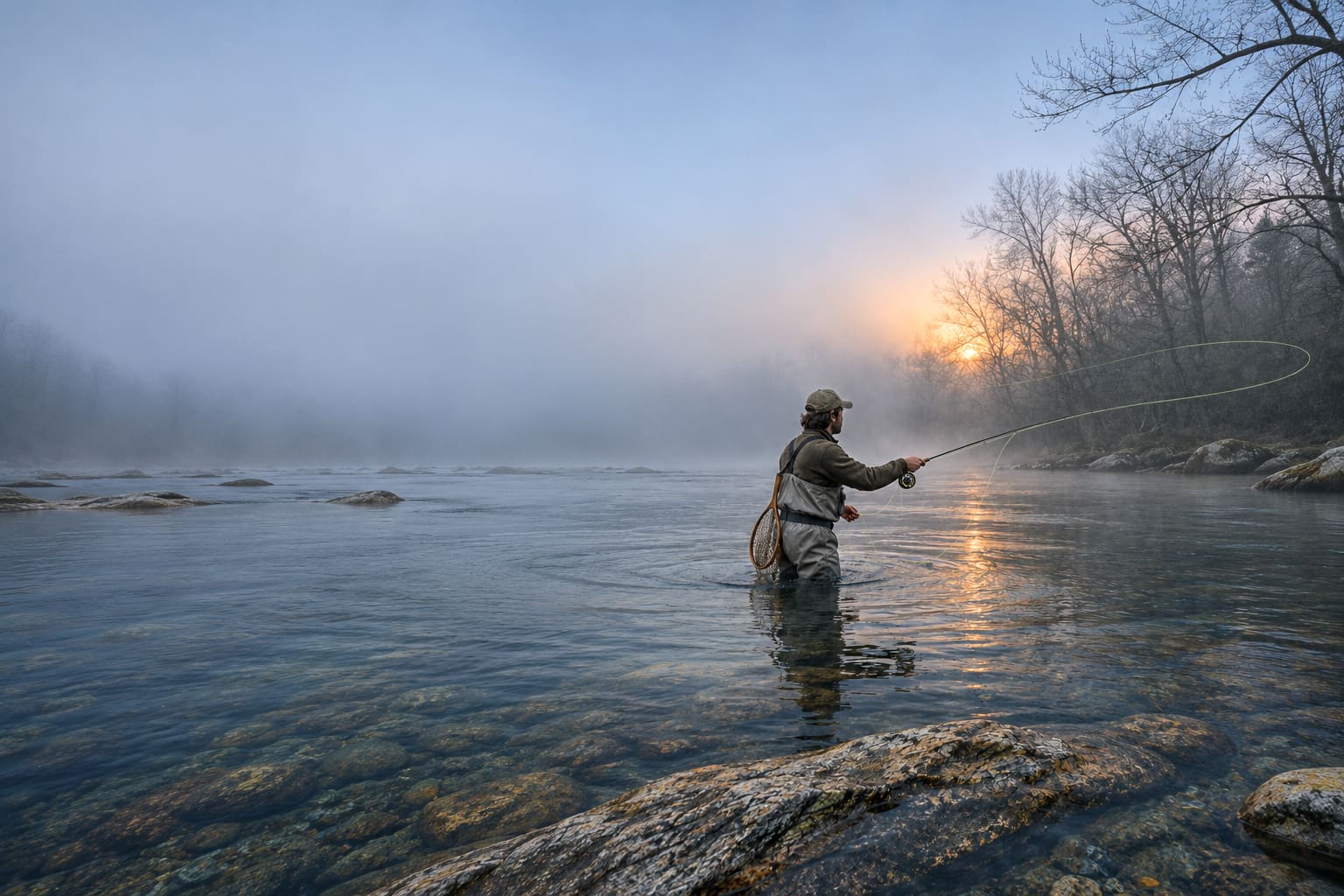
Chattahoochee Drift
- Page 8Listening to a shoal you can’t see
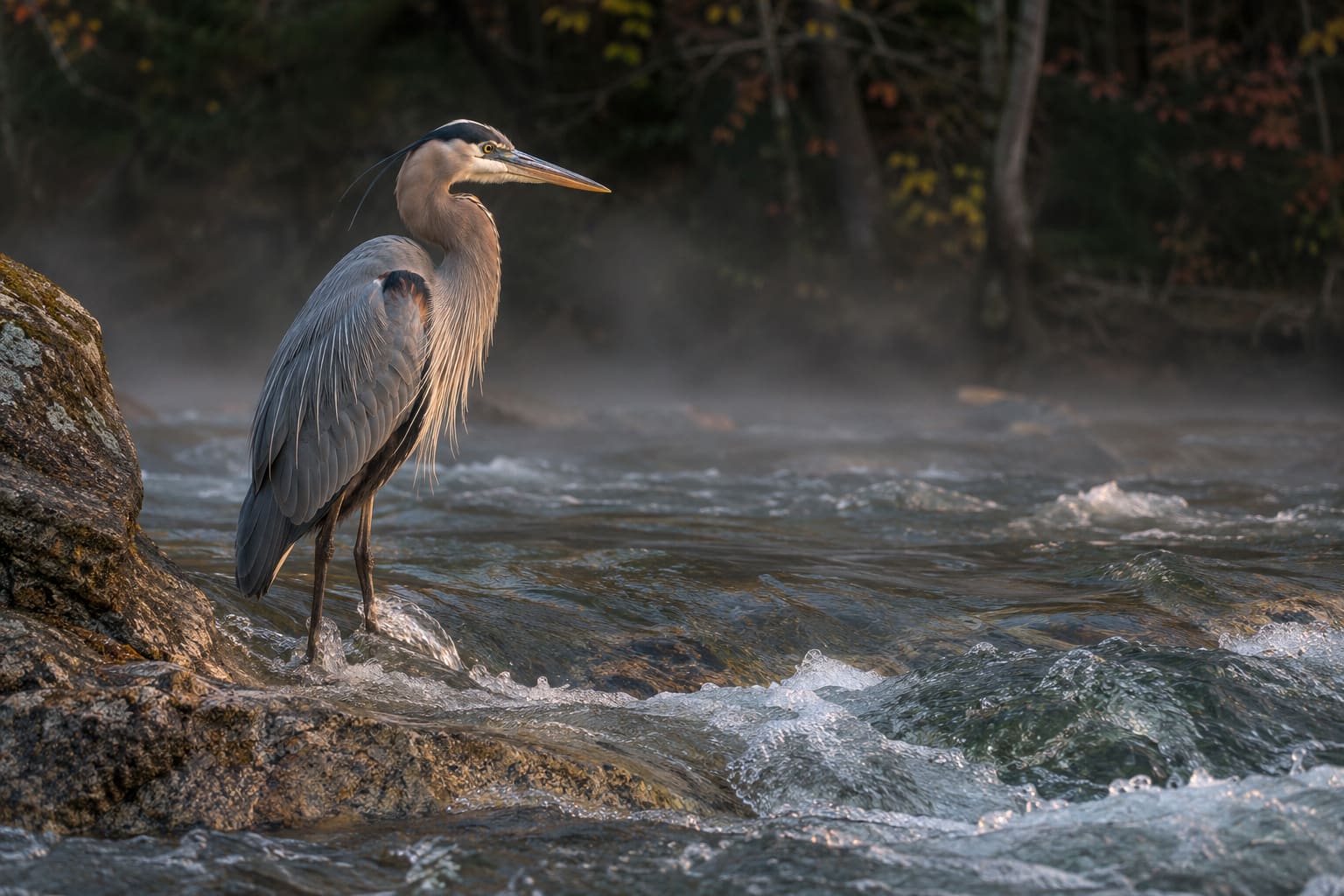
- Back issuesReading the water by watching the heron
- Page 12Five stretches, and how to read each one
Fly fishing the cold river below Buford Dam, with guide and writer Ben Hollis: a magazine you can read, a course you can take, a letter every Sunday and days on the water.
In this issue
From the editor
This is the reading issue. Every story in it is about the minutes before the first cast: listening to a shoal in the fog, watching a heron work the edges, seeing a brown trout before you fish to it, and the case for a shorter line. Start with the run on page four. You’ll need the glasses.
Ben Hollis, editor and guide
- 4The lead featureRead the waterPut on the glasses. A run, its seams, and where the trout was all along.
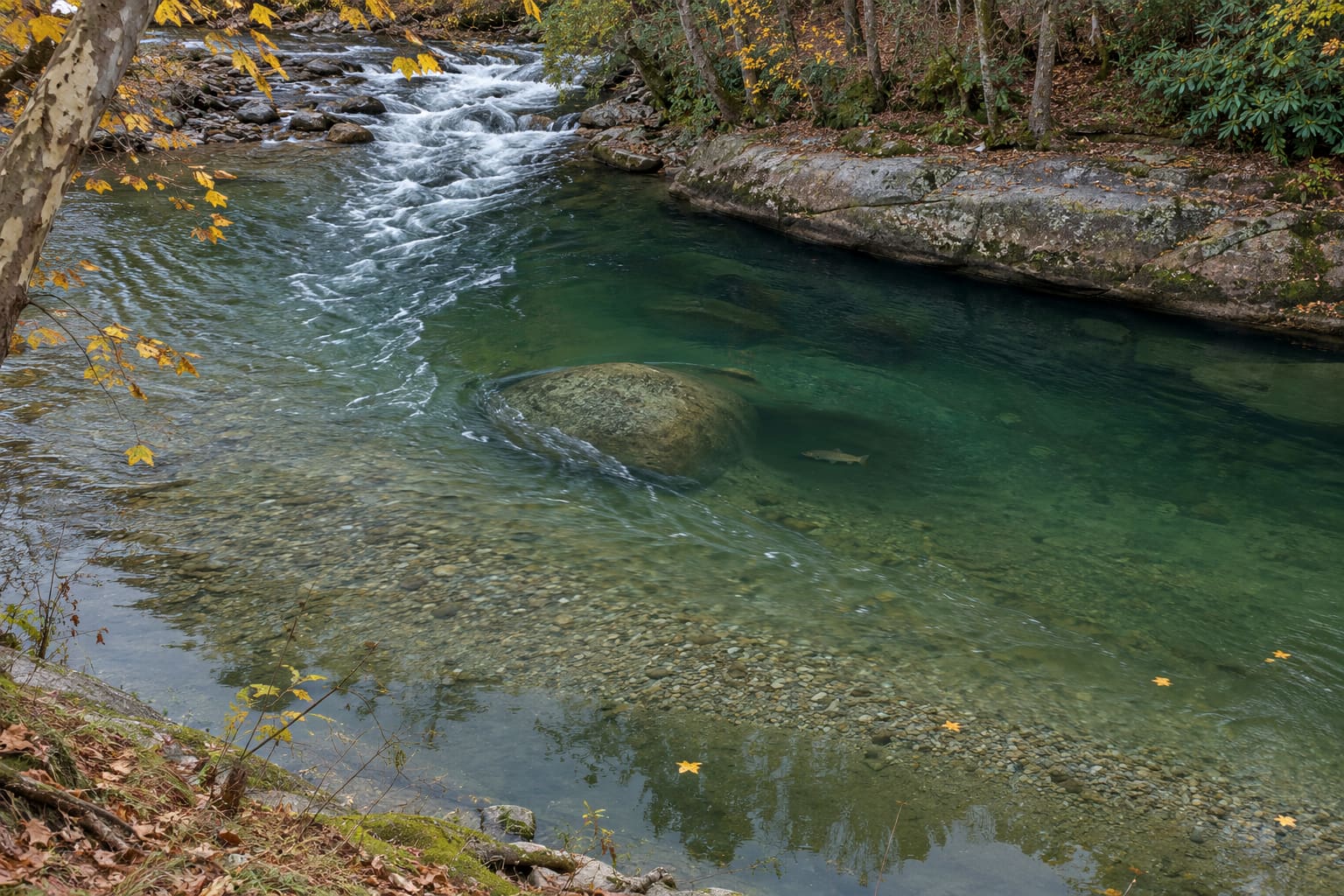
- 8The Sunday LetterThe fog lineCold water, warm air, and the hour the river disappears.
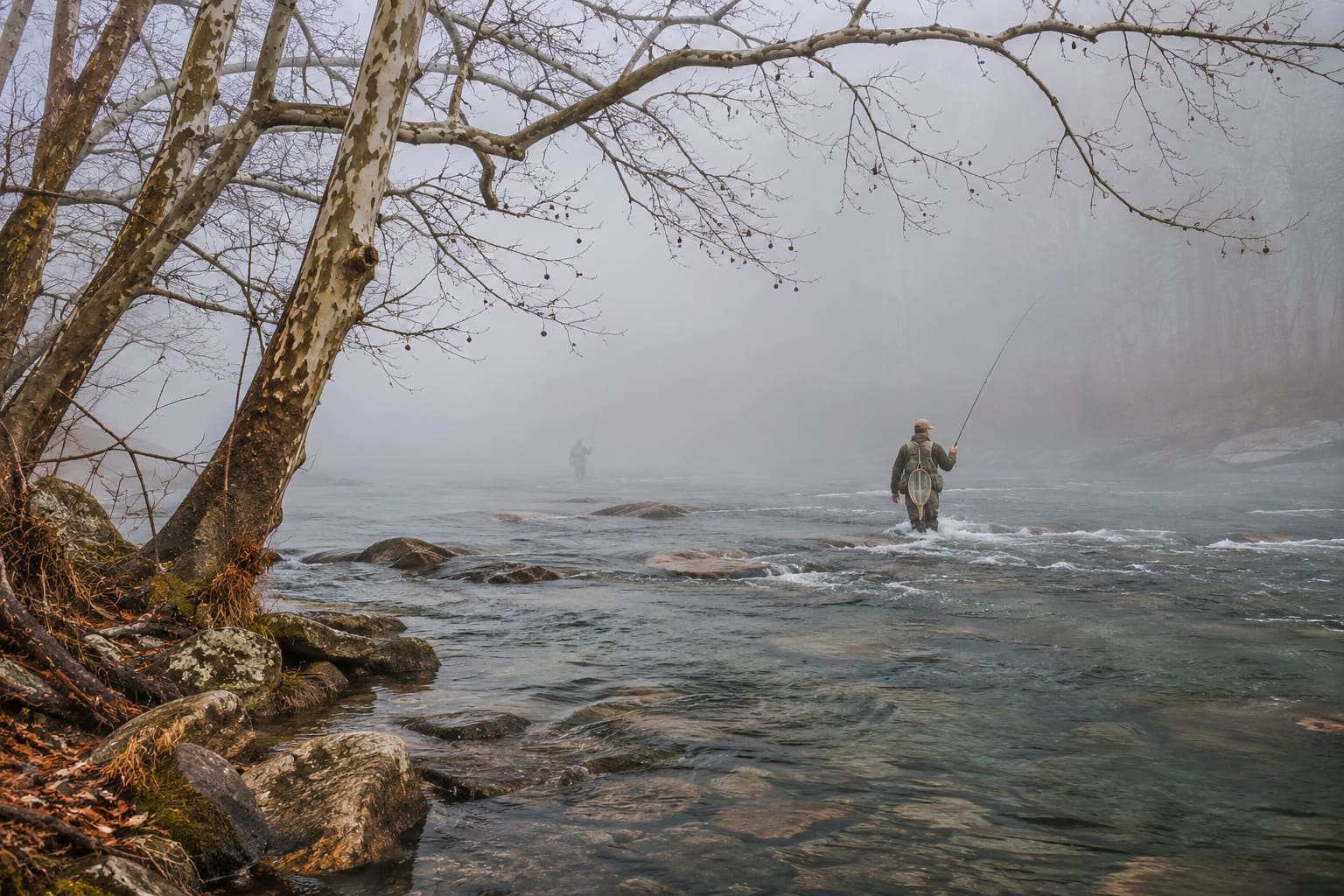
- 12The RiverFrom the dam downFive stretches, each with its own map, its water to read and its seasons.
- 20The hatchA year on the wheelWhat hatches, month by month, and the fly that matches it.
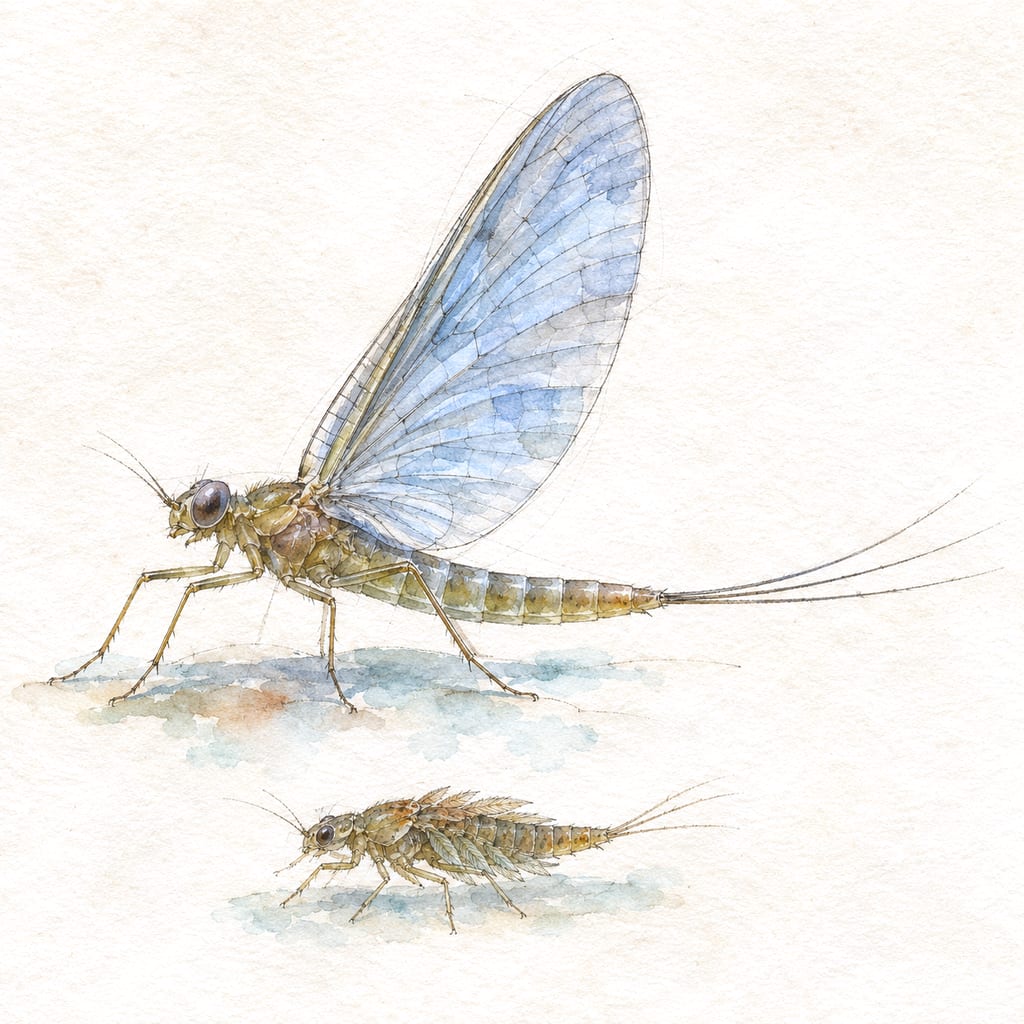
- 26The CourseReading the river, in six partsTwenty-four lessons for anglers who would rather understand a river.
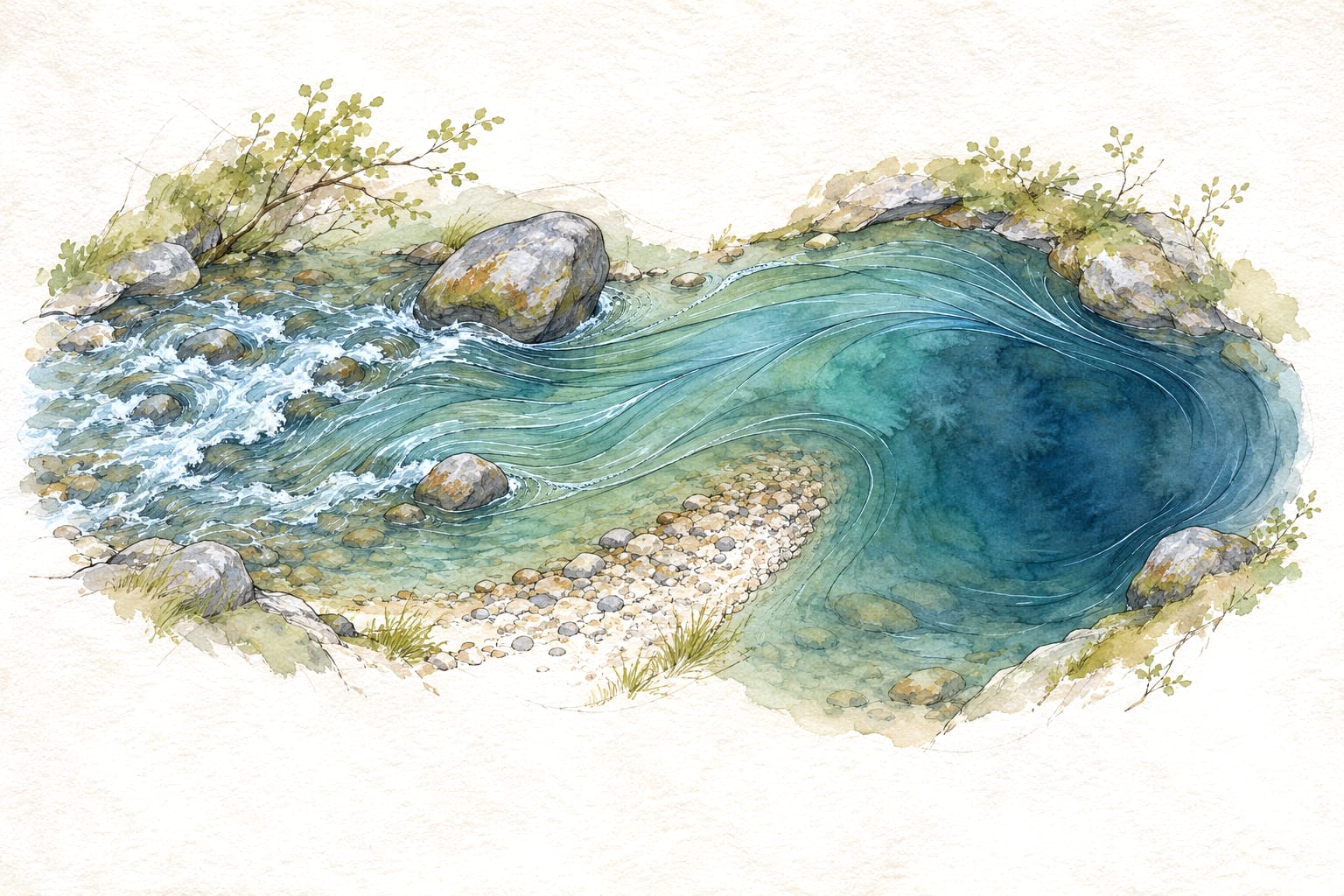
- 32The field notebookThree sheets for your vestWater, flies, and the night before. Print them.
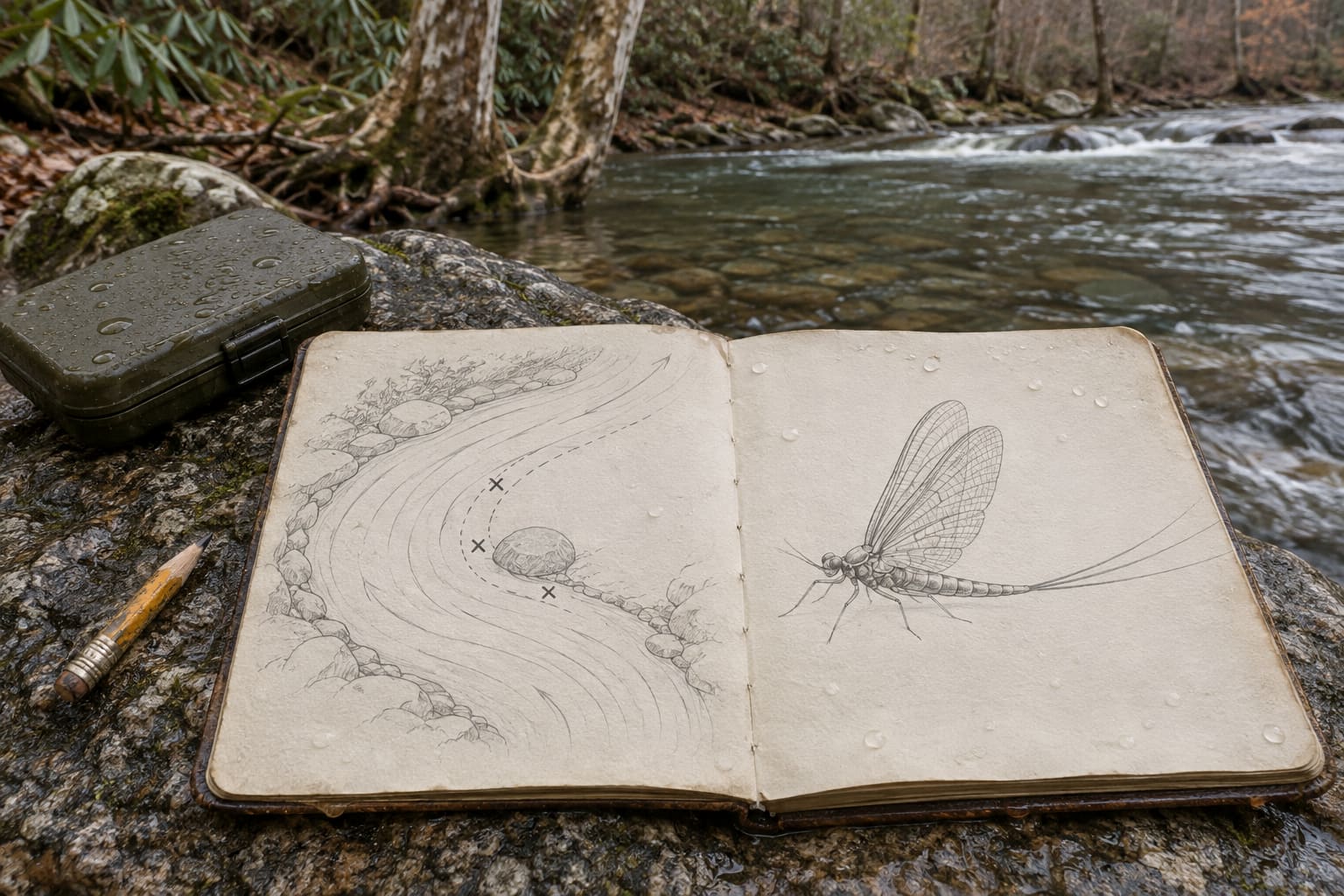
- 34Guided daysA day on the waterWade a shoal, float the river, or learn to cast.
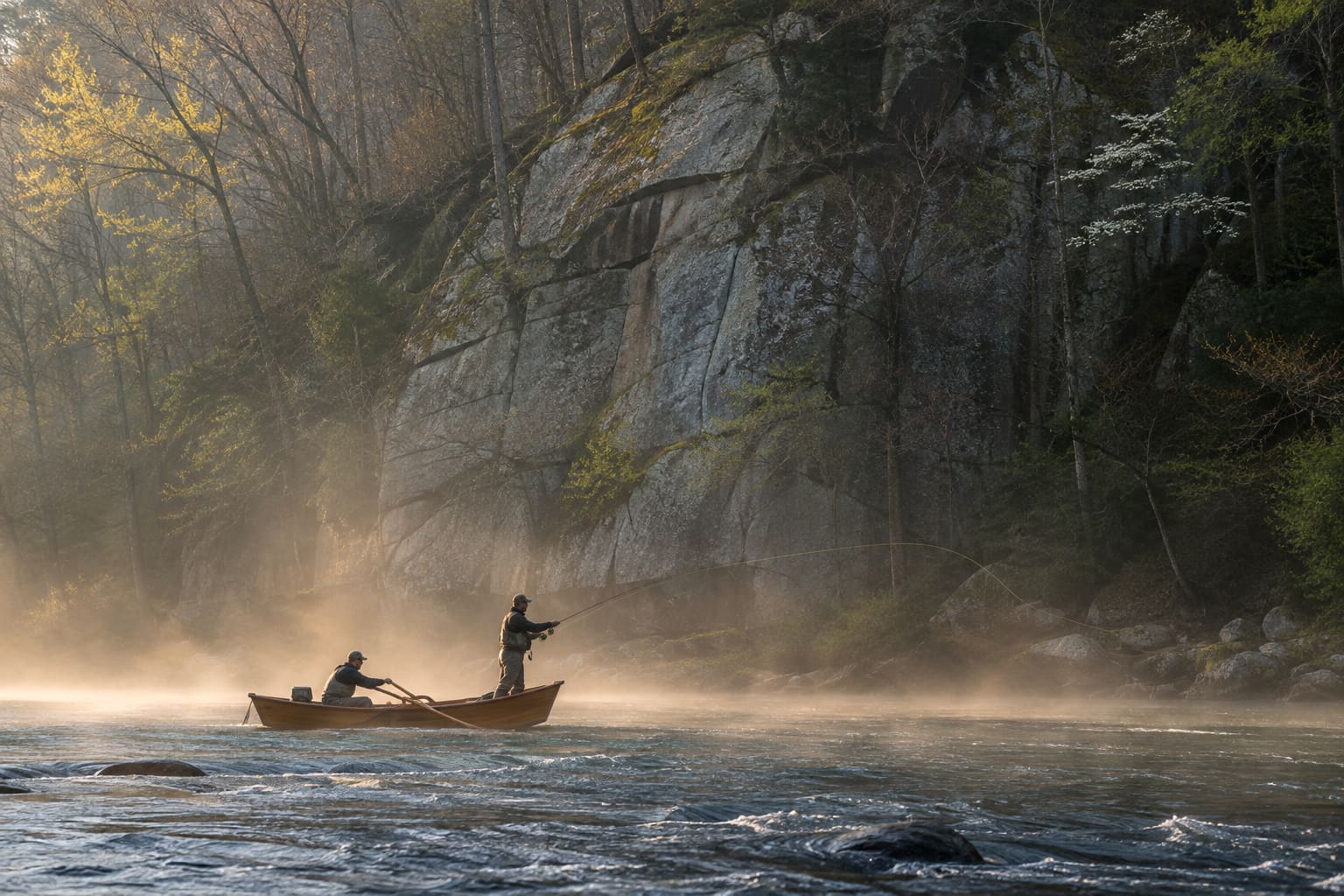
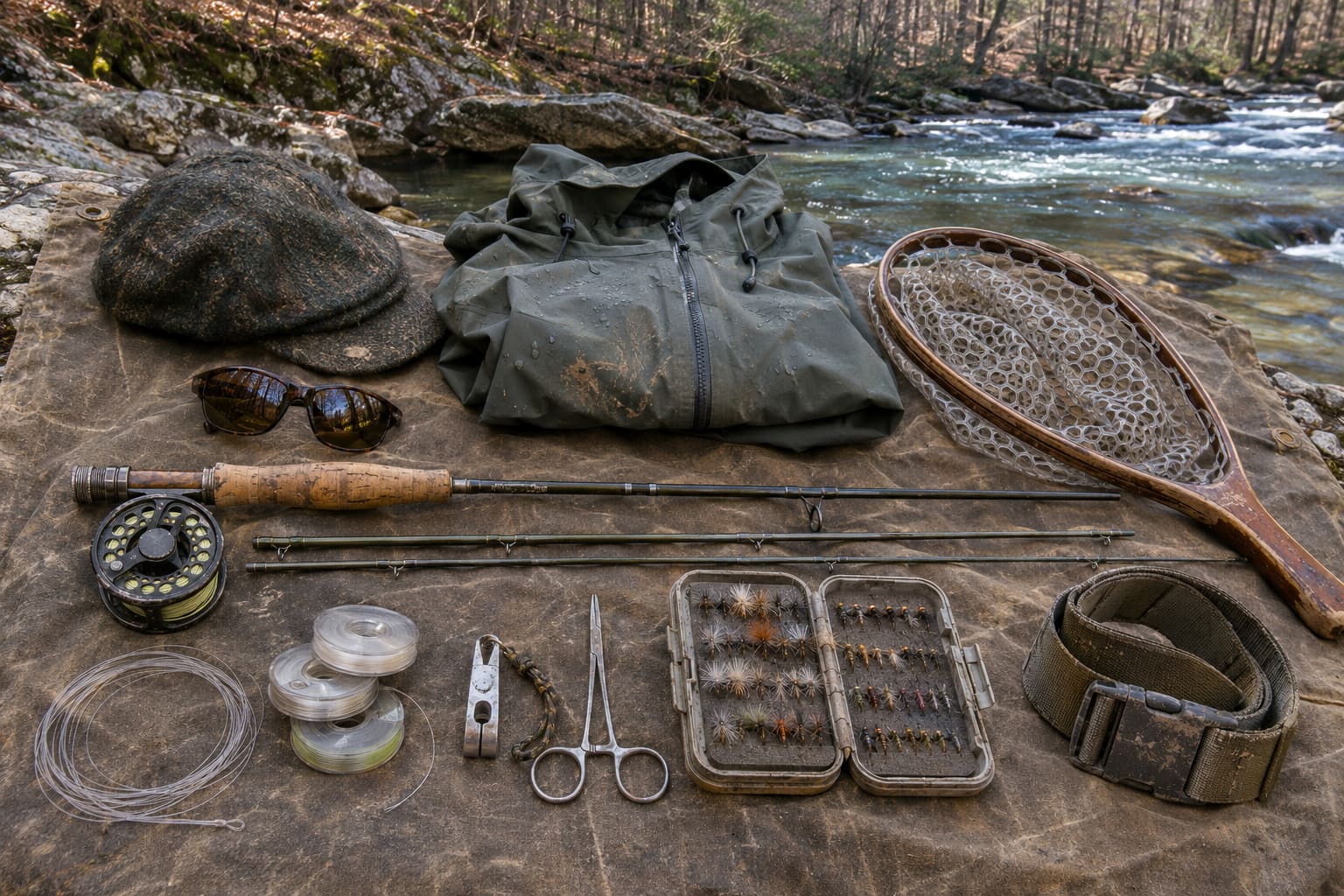
- 40GearWhat you need, and no moreThe kit for this river, by what it does, not who makes it.
- 44For brandsUseful, not loudA season of real use, and an honest report.
- 48Back issuesEvery Sunday letterSeven letters, each one whole.
The lead feature · page 4
Read the water
One run on a gray October morning, seen the way your eyes see it from the bank: glare on the water, the bottom gone. Polarized glasses cut the glare. Put them on, and look before you cast.
Move the lens over the water and the glare lifts. Or press a number.
Tap the water where your first cast would land, or choose a place from the list.
What would change Photographed at low, steady water on a gray October morning. At a higher flow the seam slides toward the near bank and the pocket behind the boulder shrinks; in bright sun a fish here is more likely down in the ledge slot.
One run on the middle river, photographed from the high bank at low, steady water on a gray October morning. Ben’s notes are drawn on the water; what would change them is under the list.
What you are looking at is a pattern the river repeats often between the dam and the Palisades: fast water in, a line where it slows, something that breaks the current, a deeper place to hide, and shallows to feed in when the light is low. Learn it on this run and you will start to see it on others, never quite the same way twice.
On this morning the trout was beside the boulder, in plain sight if you knew where to look. At a higher flow, or in brighter light, it would likely have been somewhere else. That is the first part of the course in one photograph: where a fish is likely to be, and where it probably isn’t.
The Sunday Letter · page 8
The fog line
Cold water, warm air, and the strange hour when the river disappears and the fish don’t seem to mind.
In November the lake behind the dam has turned over, and the water coming out of the bottom of it is colder than the morning air. Where the two meet, the river makes its own weather: a low white bank of fog that lies on the water like a sheet on a bed.
Most people wait for it to burn off. I have come to love the hour before it does. The trick is to fish closer than you think you need to, and to trust your ears.
Try it from the bank. Before the fog lifts, stand still for a minute and listen for where the water is moving, then look. Sound tells you where the current is, not how deep it is, so the wading waits until you can see.
Read the whole letterThe River · page 12
From the dam down.
Five stretches of cold water, from the pool below Buford Dam to the bluffs of the Palisades. Each has its own page: a map, the water to read, the seasons.
Not to scale. Flows change by the hour; check the dam schedule before you go.
The coldest water on the river, straight from the bottom of the lake. Big and slick when the turbines run; walkable around the edges when they don’t.
Open the stretch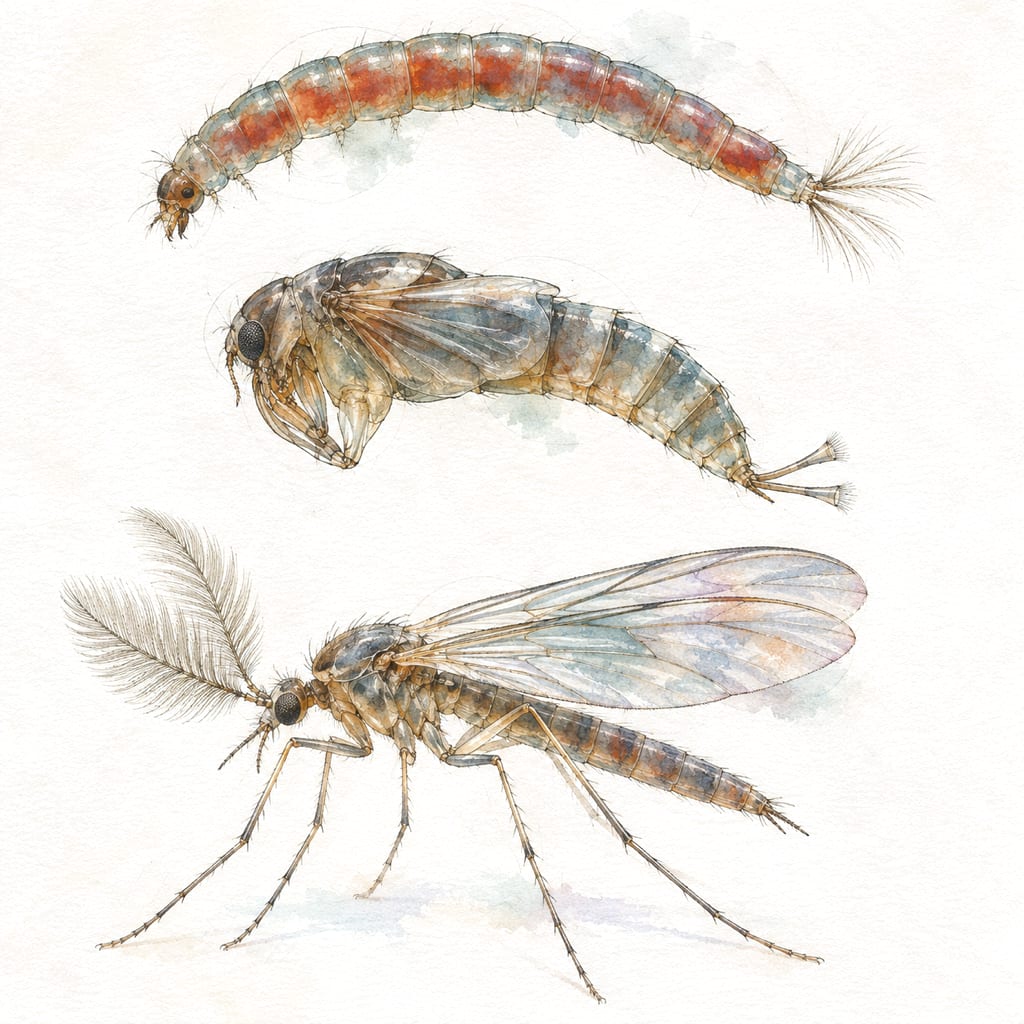
Shoals and long glides through quiet woods, with wild browns on the seams and herons on every ledge.
Open the stretch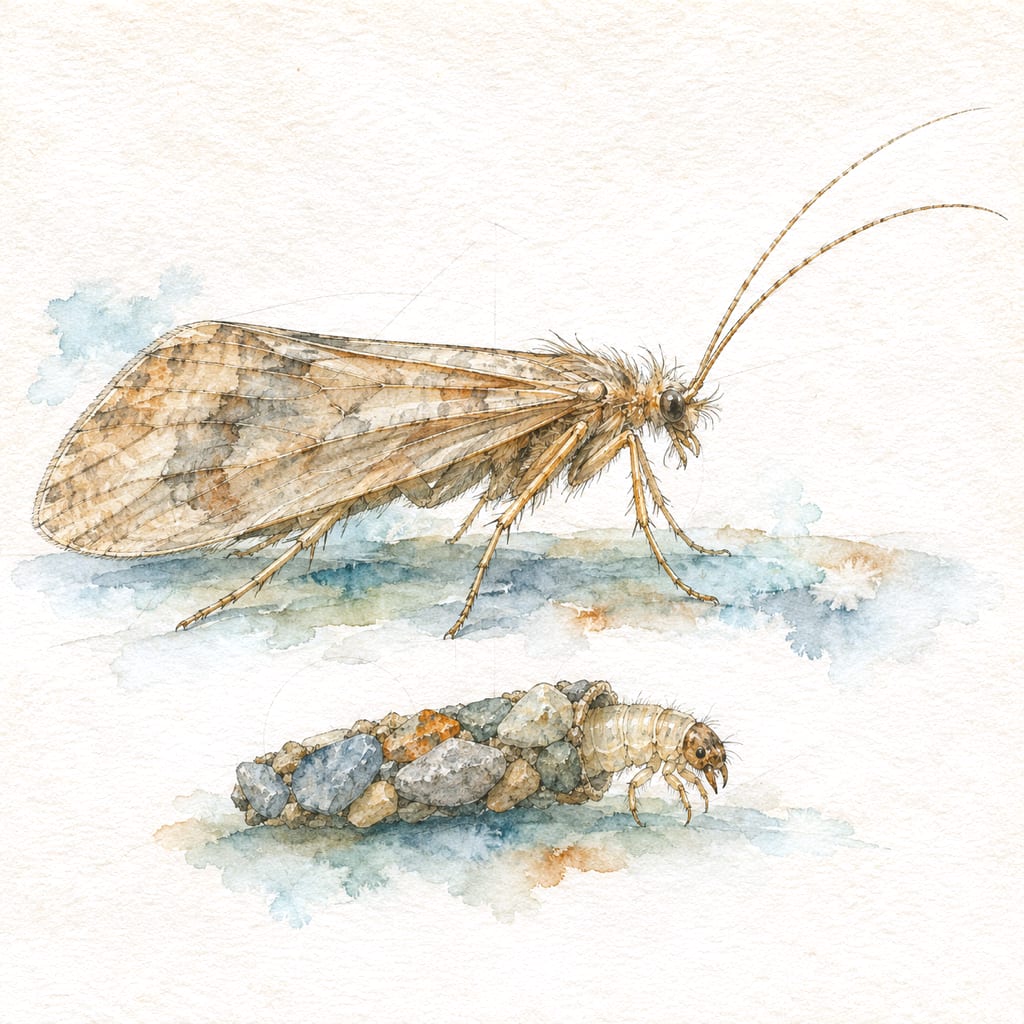
Riffles and runs between suburban banks that feel wilder than they are, once you are in the water.
Open the stretch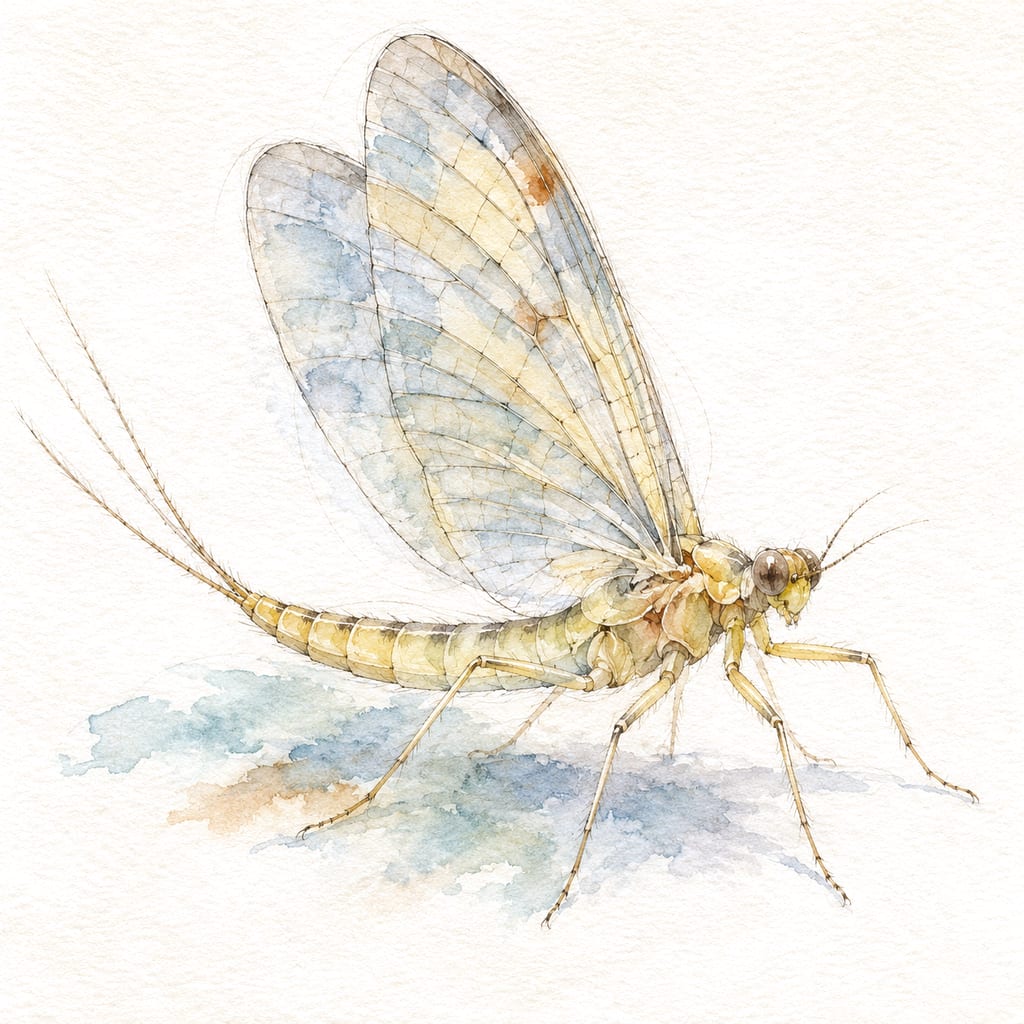
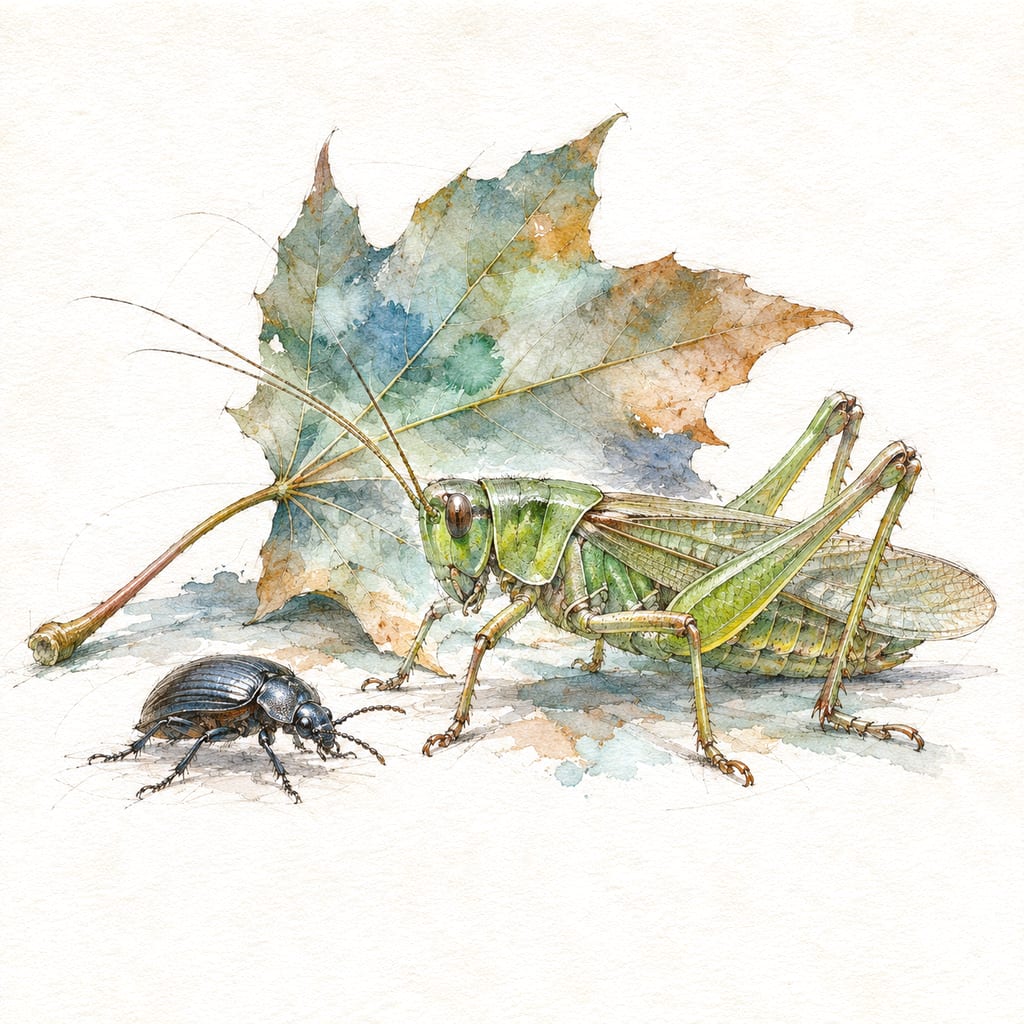
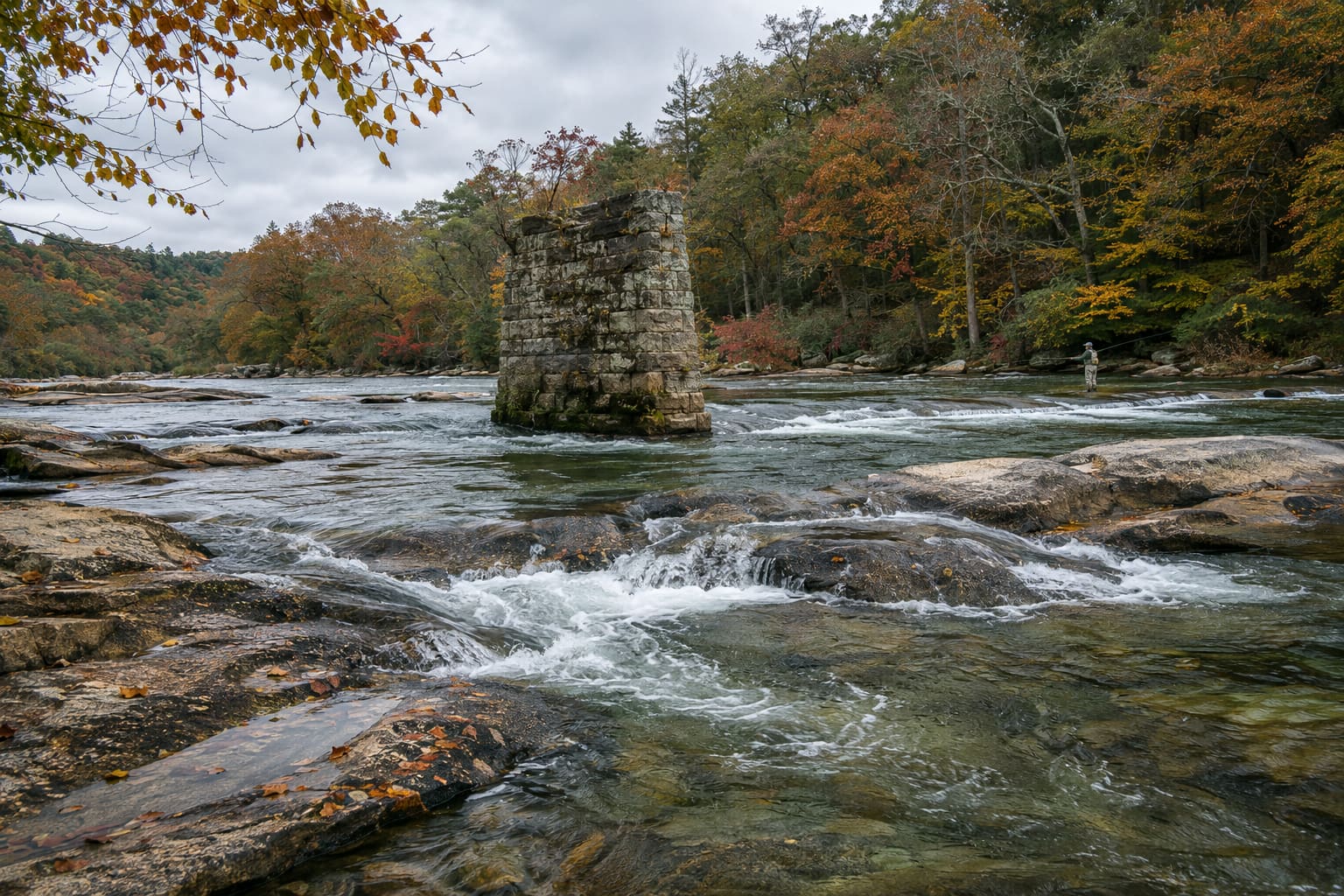
The shoals at Jones Bridge, the old bridge pier standing alone in the river, and long granite ledges below.
Open the stretchBig water under the bluffs of the Palisades, including the Delayed Harvest water from Sope Creek down to US 41.
Open the stretch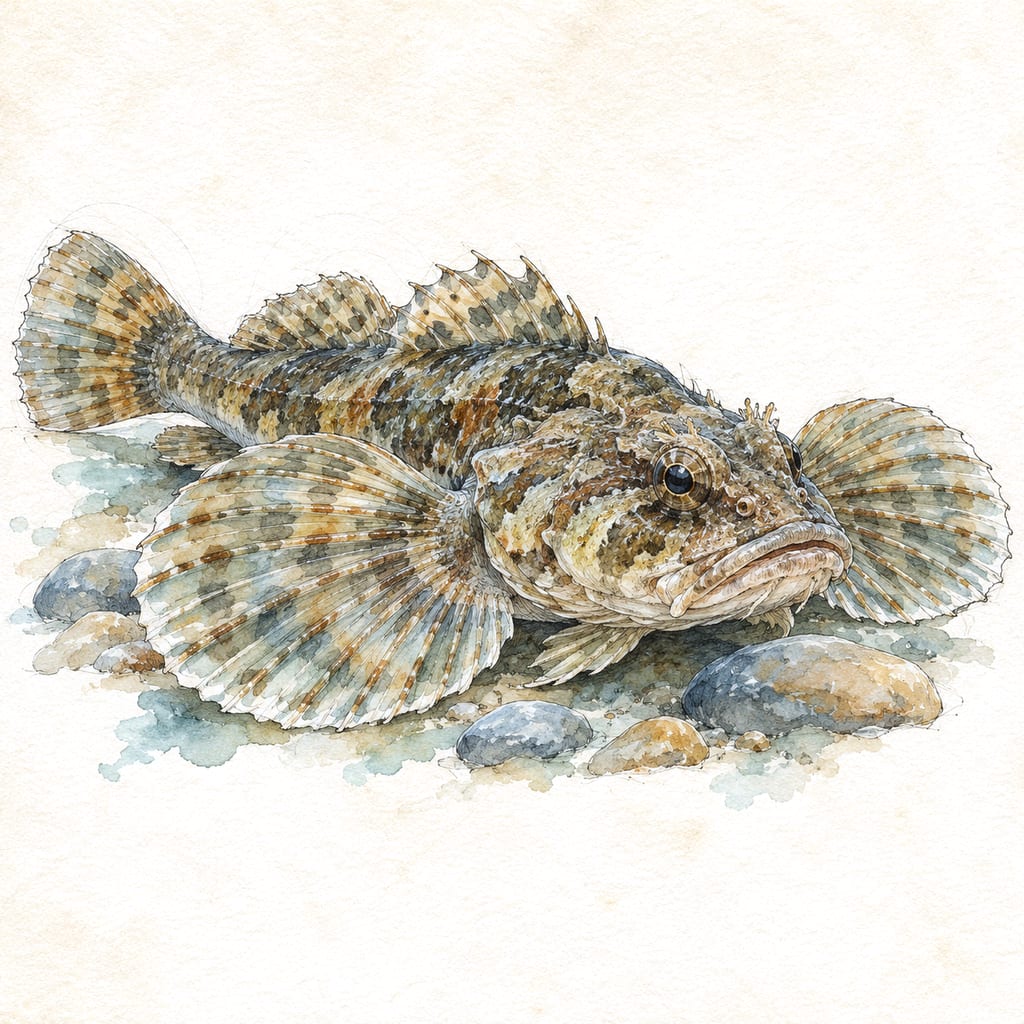
On the water in November
The naturalMidges 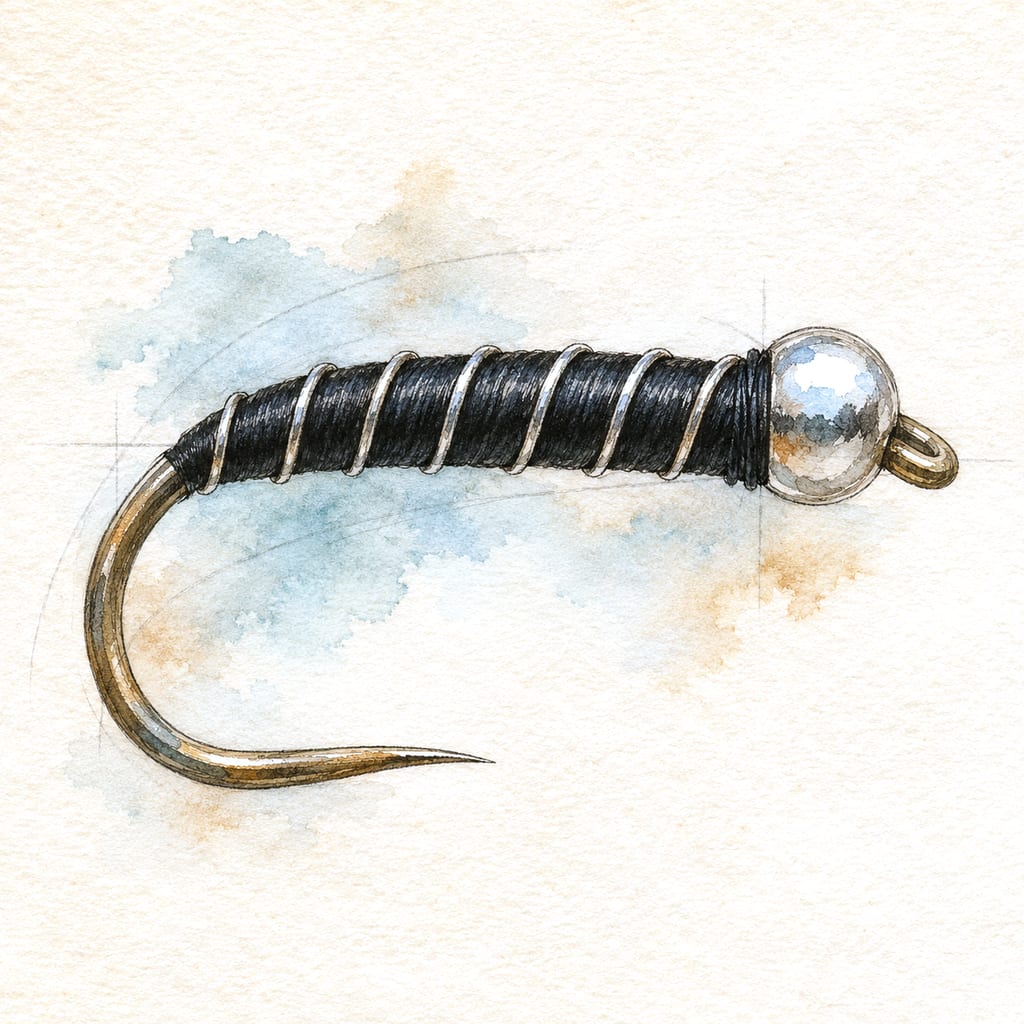
Its imitationZebra midgeSizes 18 to 22 The naturalSculpin and baitfish 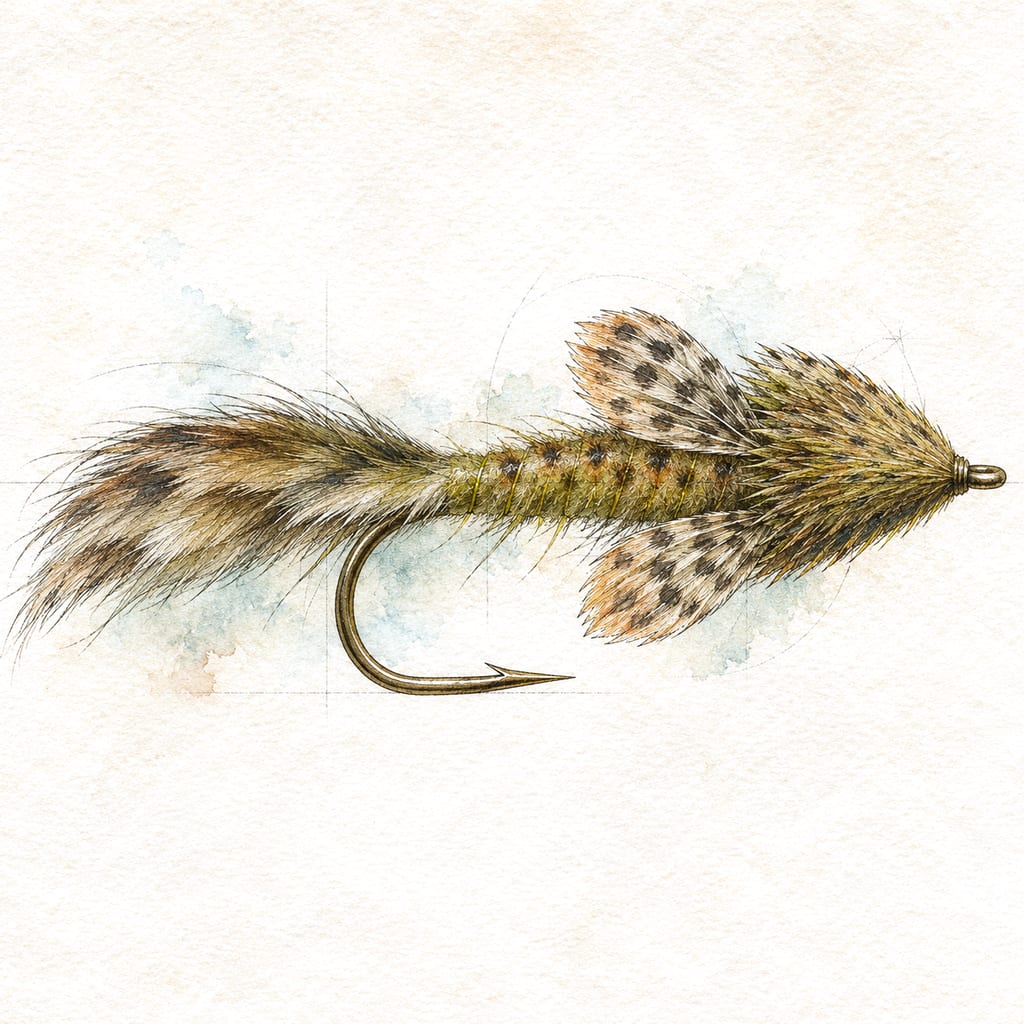
Its imitationSculpin streamerSmall, on a long hook The naturalBlue-winged olives 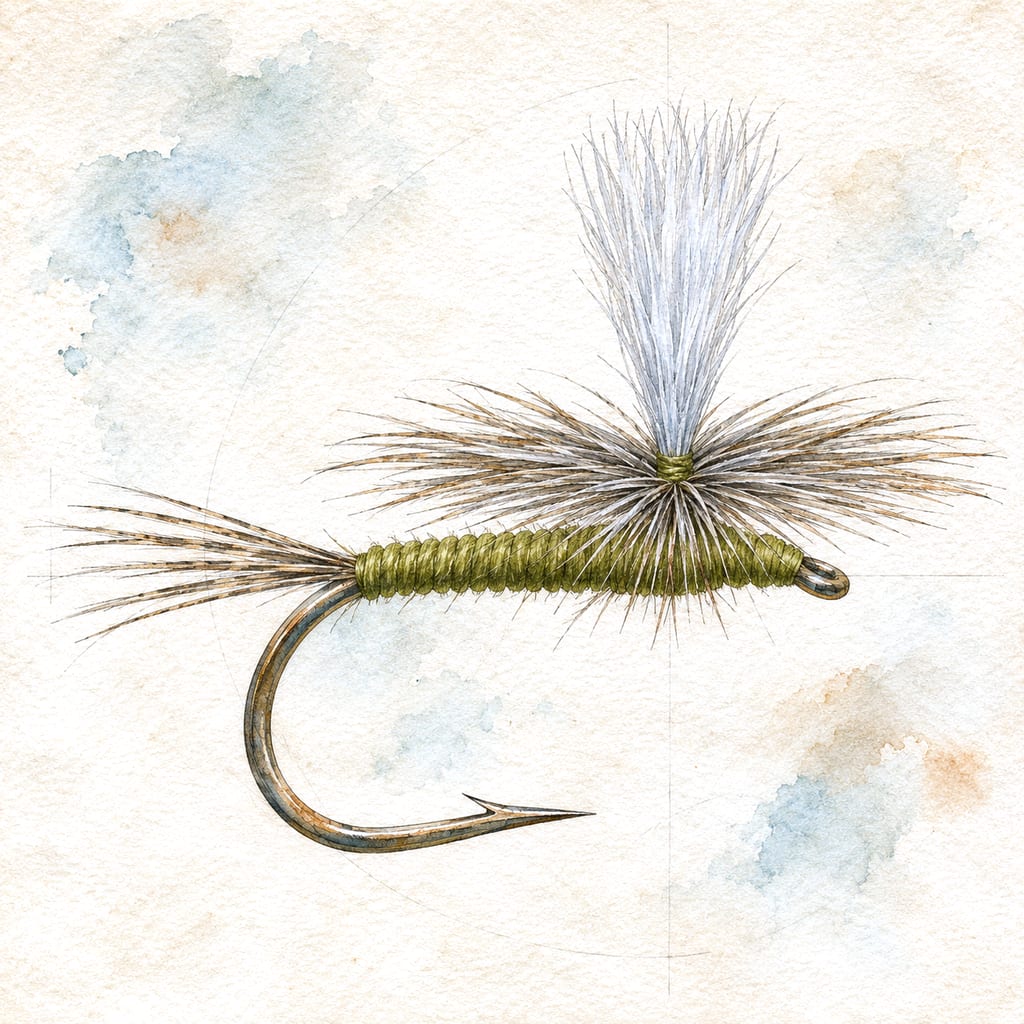
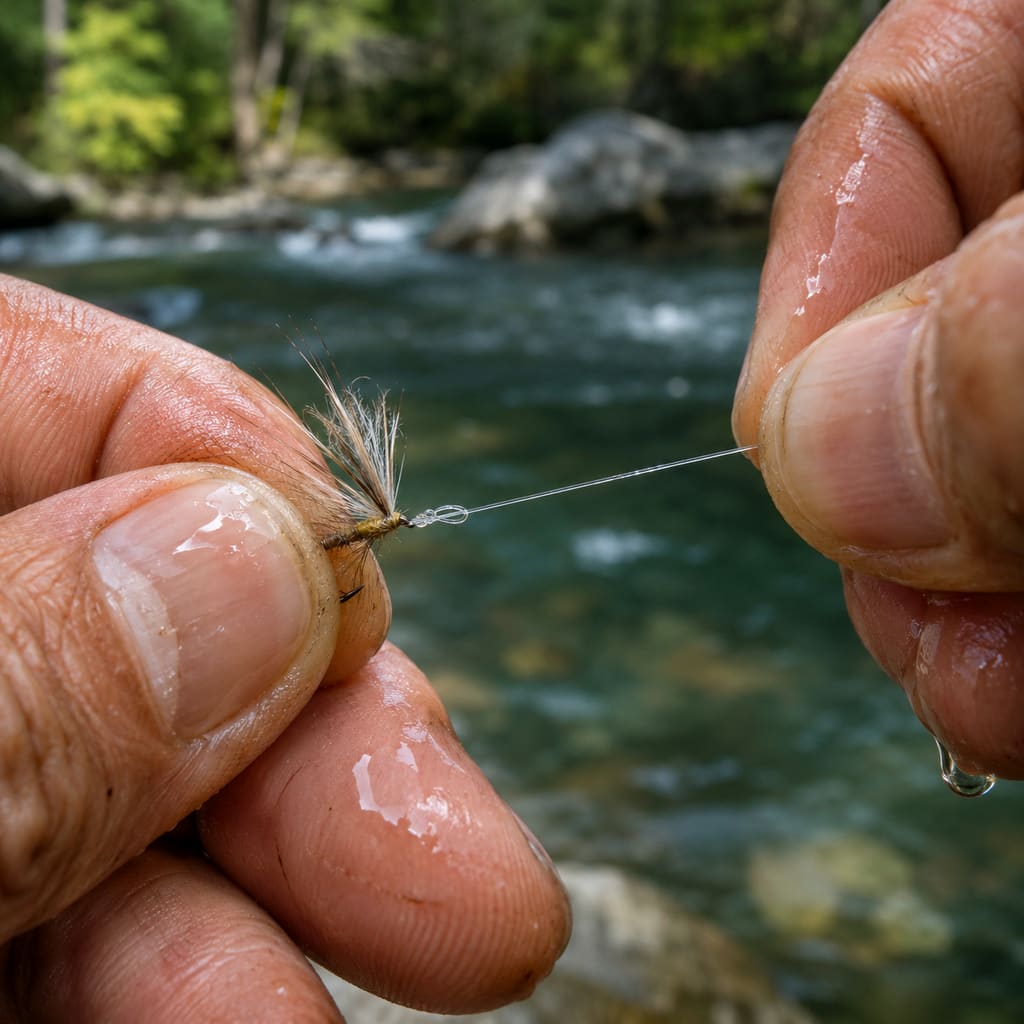
Its imitationParachute oliveSizes 18 to 22
A typical November from the hatch table, not a live report. The whole year on the hatch wheel.
The Course · Guided days
Learn it, or spend a day on it.
Page 26Reading the River
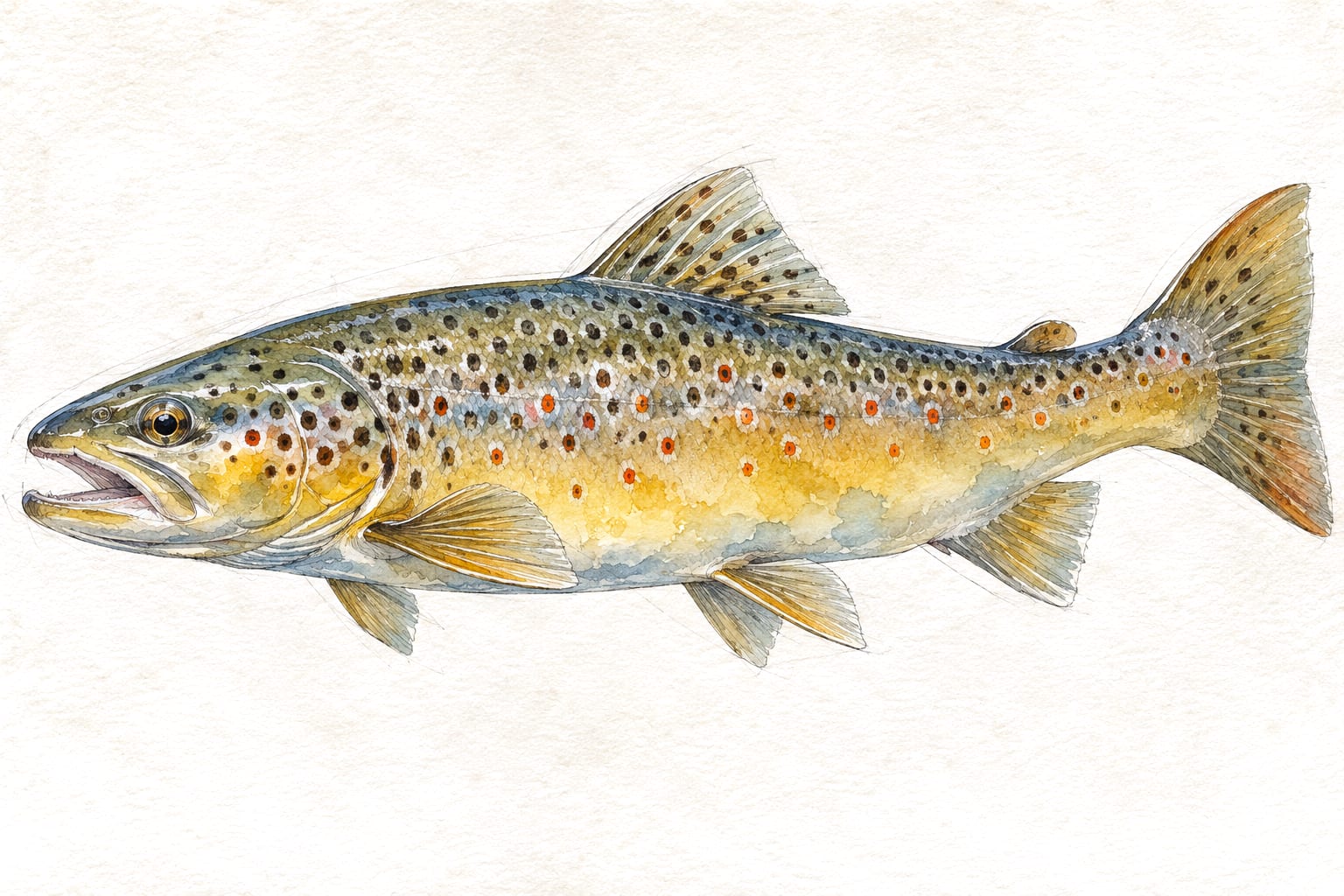
Six parts and twenty-four lessons, each with a drawing, a decision and a field exercise, and a notebook to fill in on the bank.
Page 34A day on the water
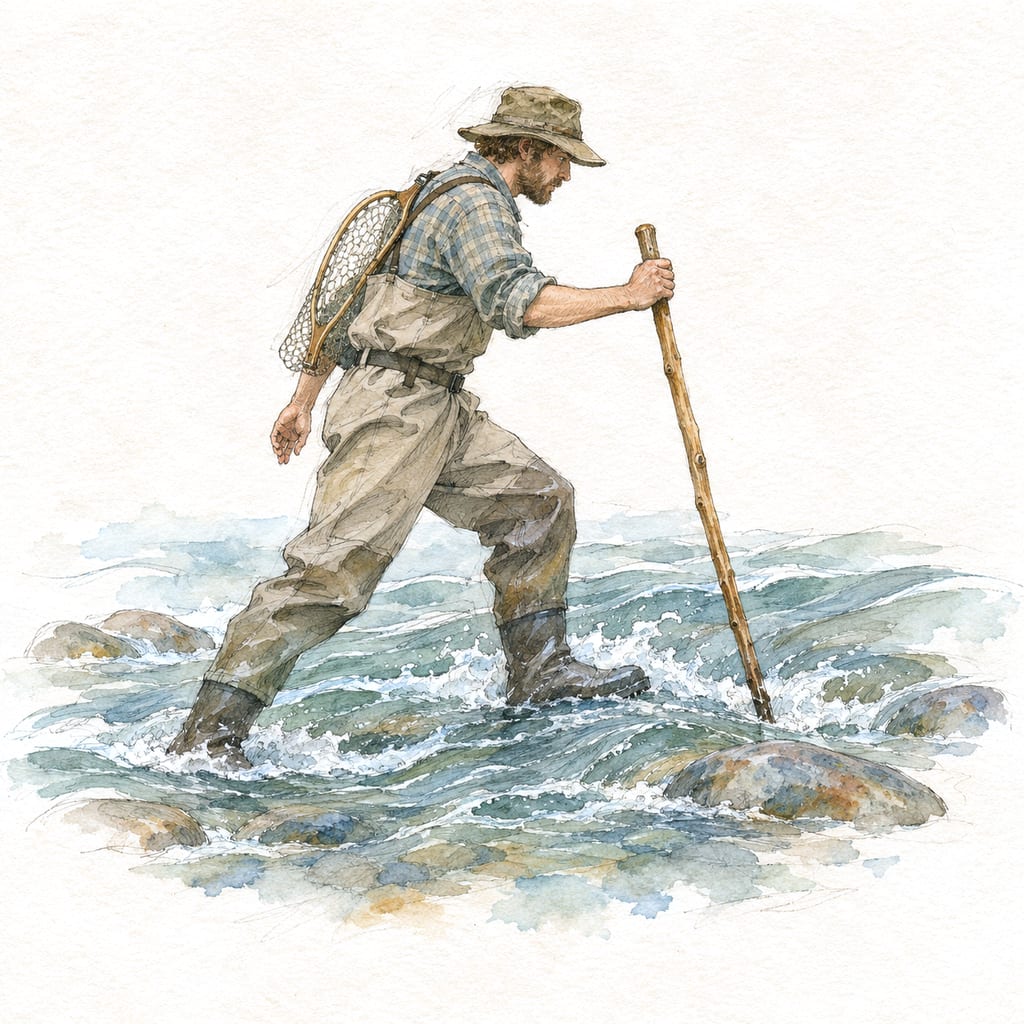
- Wade a shoalThe half dayFour hours on foot, on one of the shoals, timed to the best water of the day.
- Float the riverThe full dayFrom put-in to take-out in the drift boat, fishing the ledges and runs, with lunch on a granite rock.
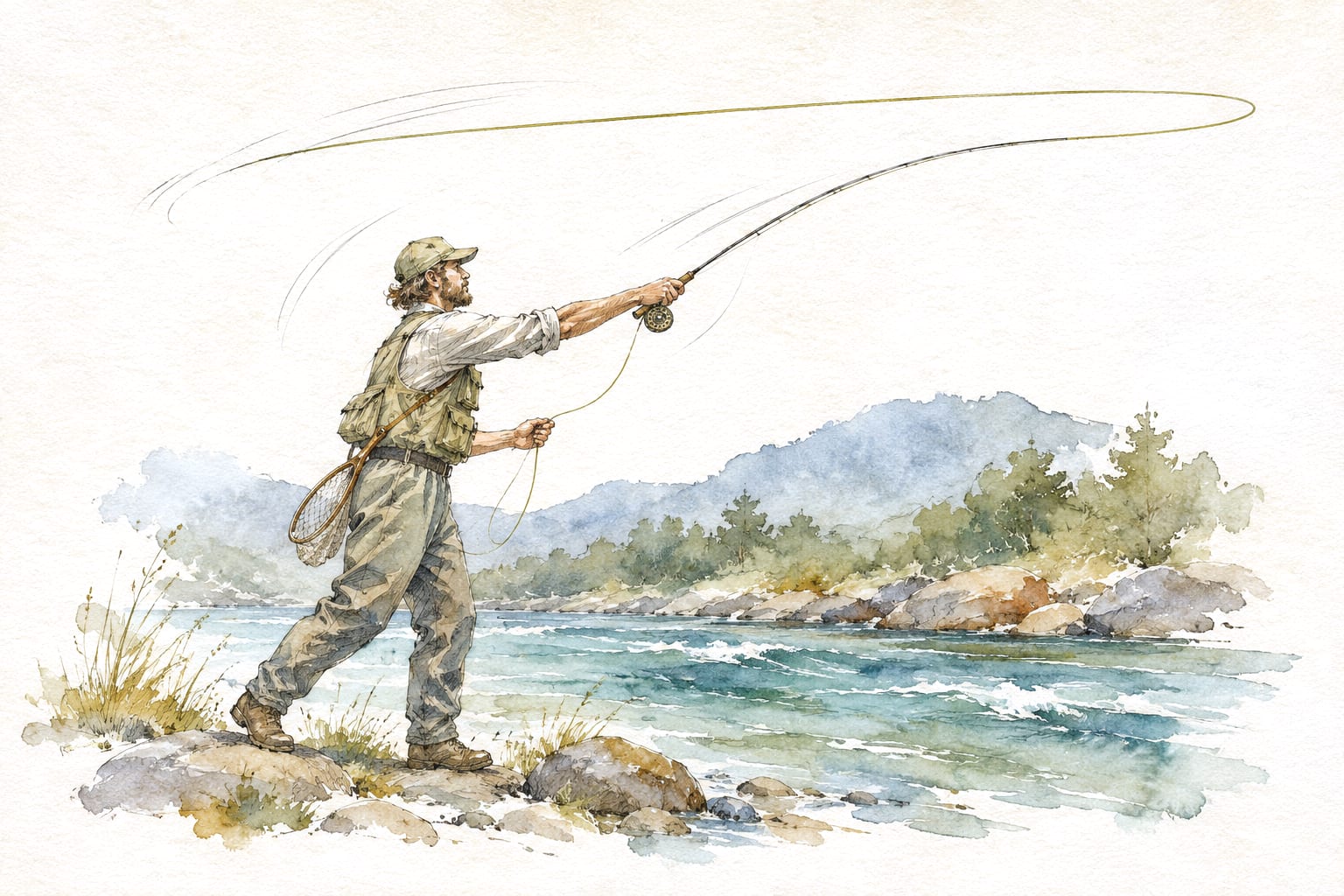
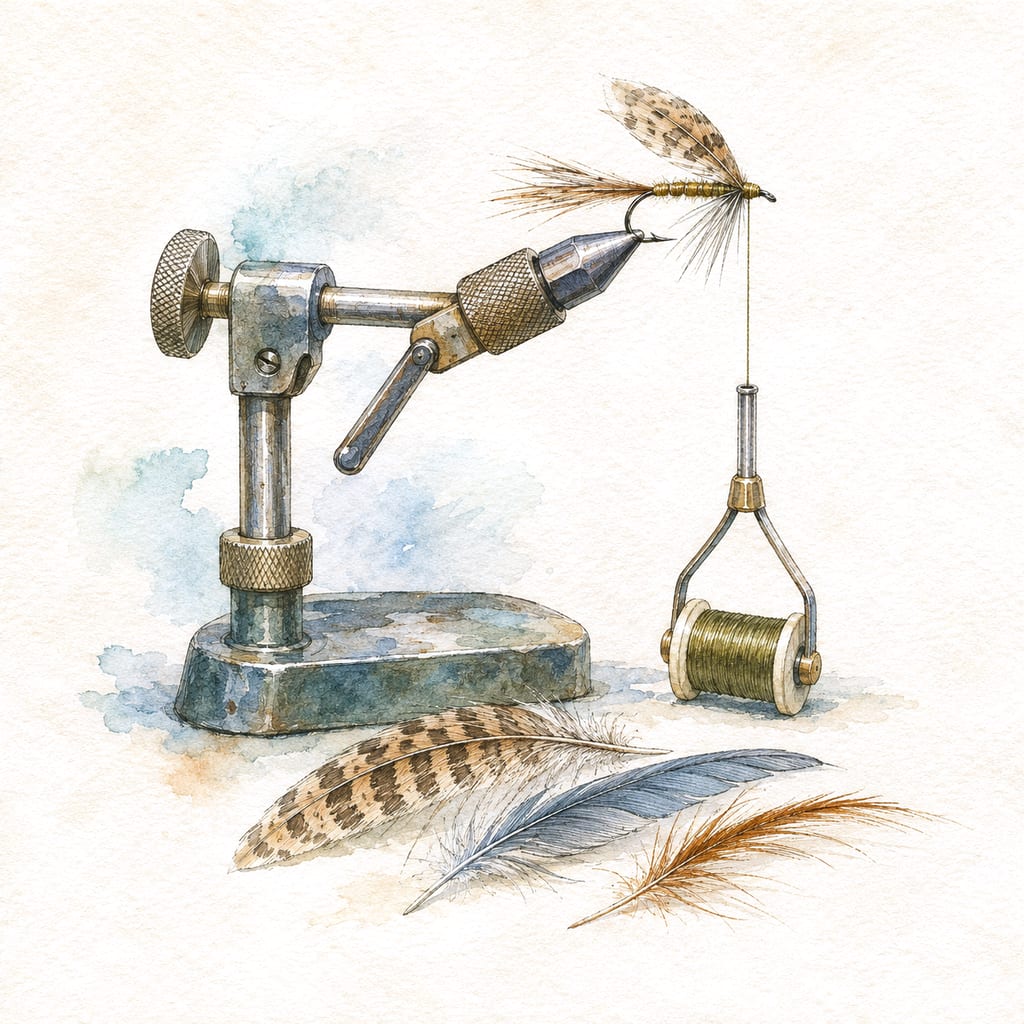
- Learn to castThe first dayFor people who have never held a fly rod. Casting on the grass first, then the water, then a fish if the river agrees.
Every Sunday, whatever the weather.
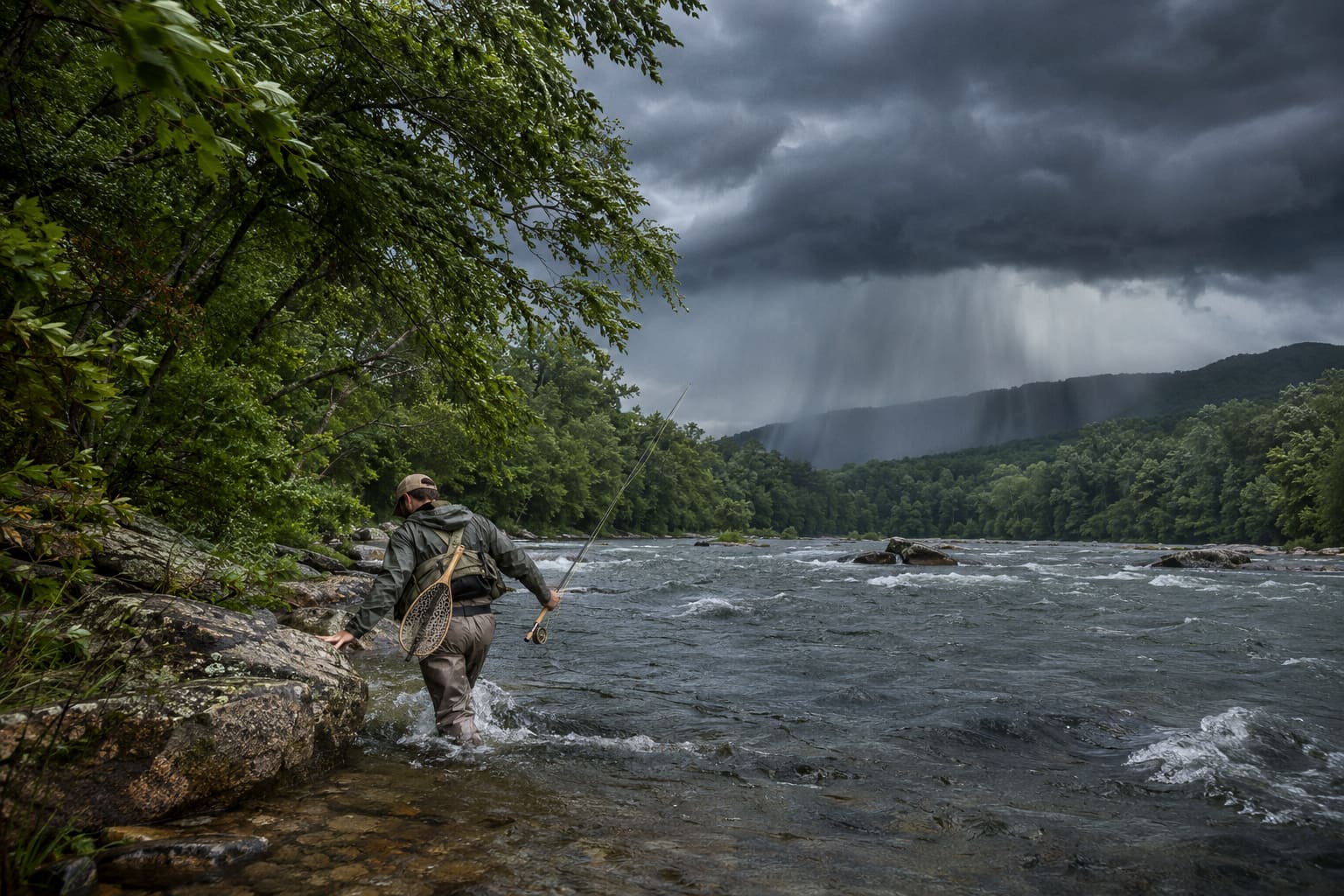
One letter a week from the river: what it did, what to tie on, and one thing worth knowing before you go. Every back issue is on the site, whole.