Stretch one of five · Cold, clear and slick
Buford Dam to Bowmans Island
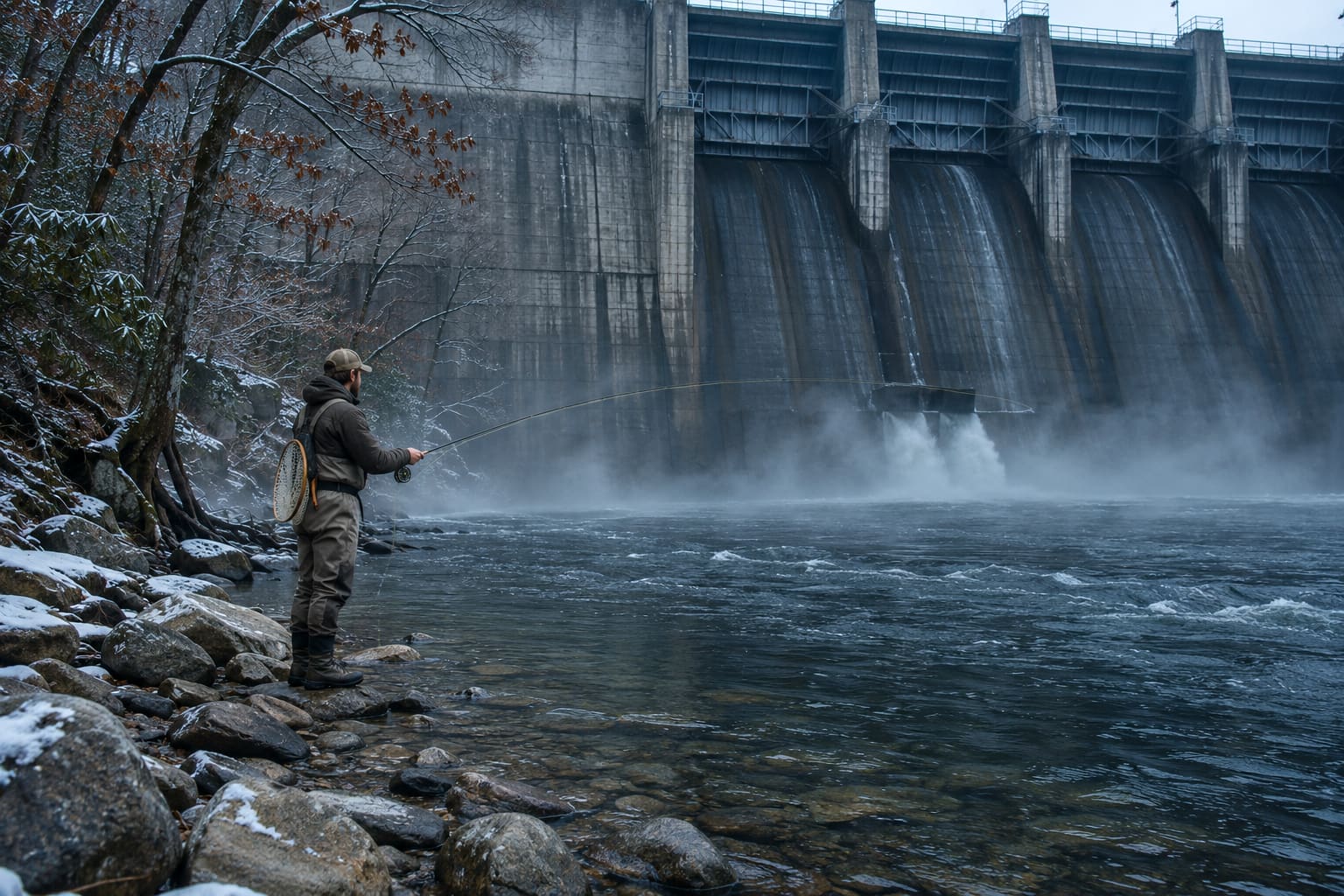
The river starts here, cold, out of the bottom of Lake Lanier. It is the clearest and the coldest water on the whole tailwater, and the most changeable: when the turbines run, the level climbs and the edges you were standing on go under first.
- The water
- Cold, clear and slick
- How it’s fished
- Wade at low water
- Getting in
- Lower Pool and Bowmans Island
- What hatches
- Midges, blue-winged olives
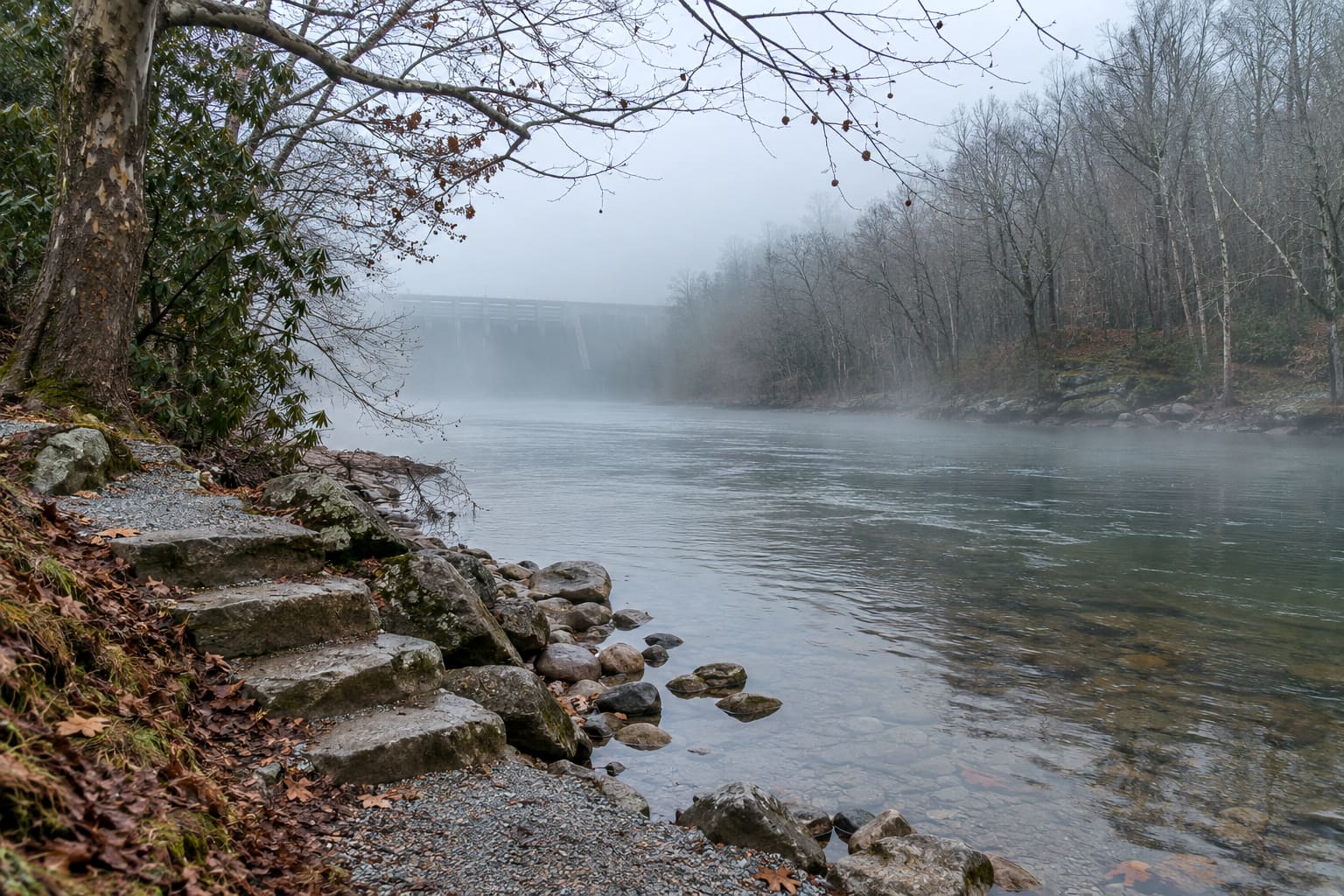
Drawn, not surveyed. Parking, hours and fees are set by the park; check before you go.
Getting in
Where to get in.
Lower Pool
The Army Corps of Engineers’ park below the dam, with a boat ramp and parking. Walk down to the cobble and fish the edges and the soft water along the bank; when the dam releases water, this is where the river rises first.
Bowmans Island
The park’s first unit below the dam. Wadeable edges at low water, long, slow flats, and a good place to watch for midges in the film.
Wading. Only at low water, only near the bank, and with a life jacket on. If the warning horn sounds, or the water starts to rise or color up, get out; don’t wait for the horn.
The water, drawn
The shelf and the channel, in section.
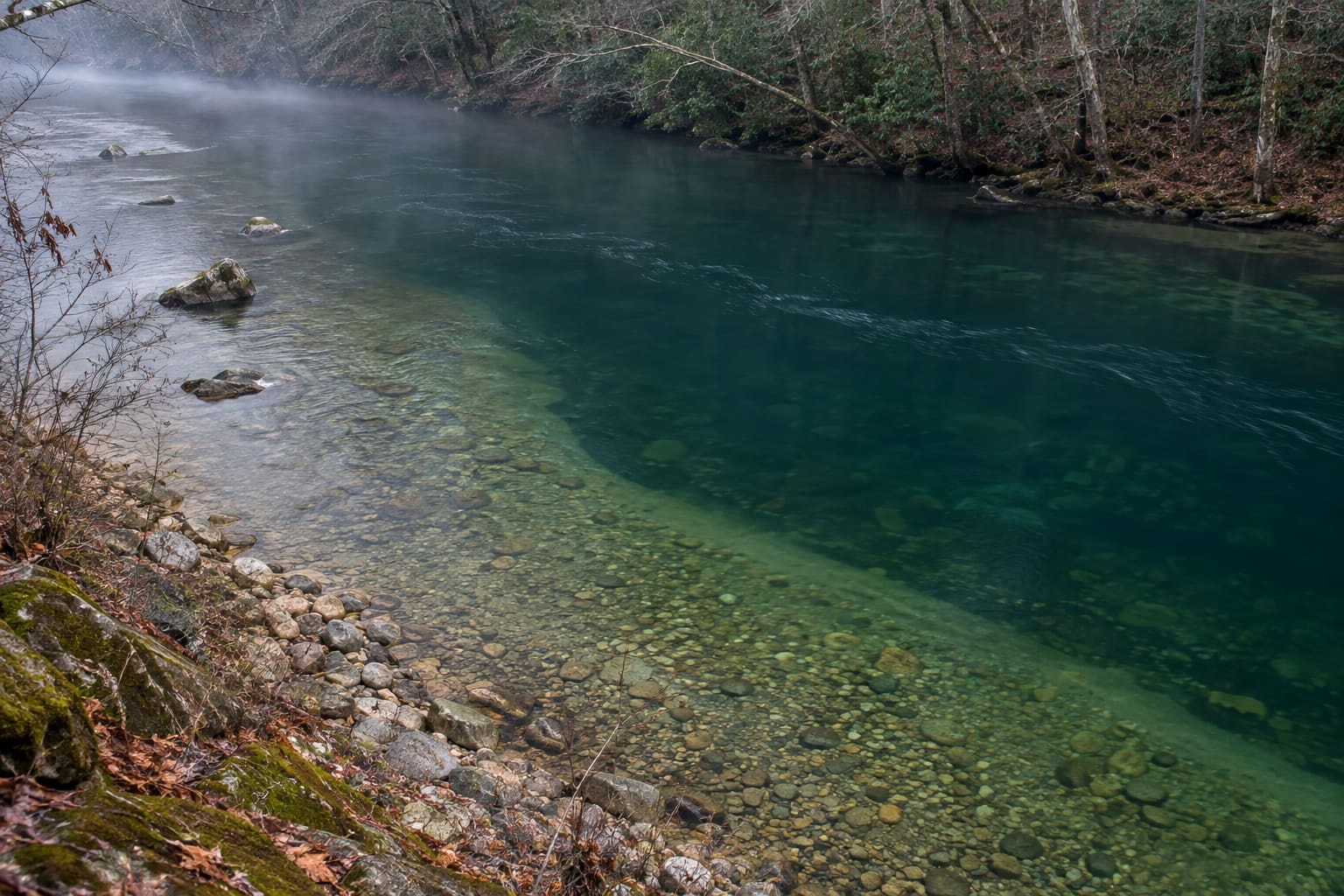
- 1The shelf. Pale cobble, shin- to knee-deep at low water. Where you stand, and where the midges hatch.
- 2The lip. Where the shelf falls away. Trout often hold just over it, rising to the shelf and sliding back.
- 3The channel. Deep, cold and slow. Fish are down there, but deep.
- 4Generating water. When the dam runs, the river comes up to about here and the shelf is the first thing to go under. Walk out before it does.
Drawn to explain, not surveyed.
How to fish it
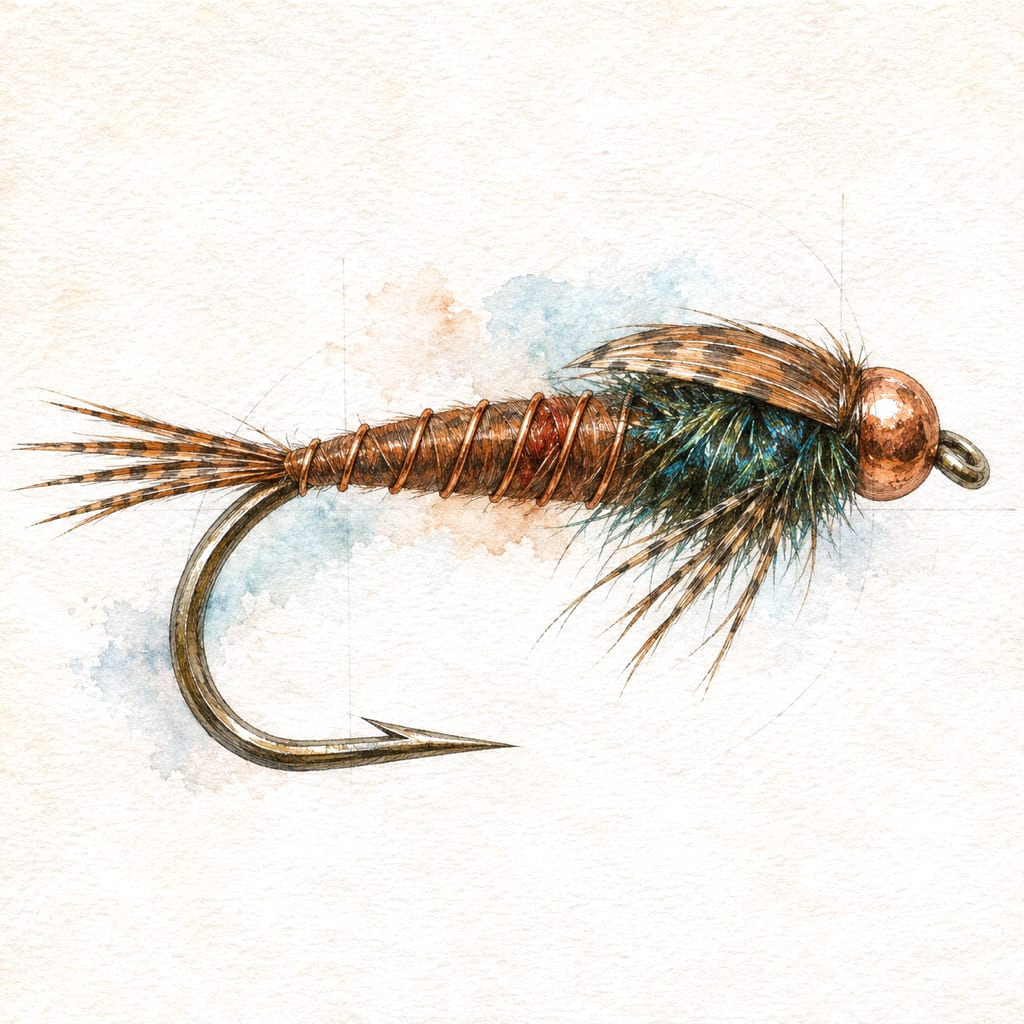
Small nymphs and midge pupae under an indicator, fished deep and slow along the soft edges. Short drifts, lots of them.
- 1
The rig
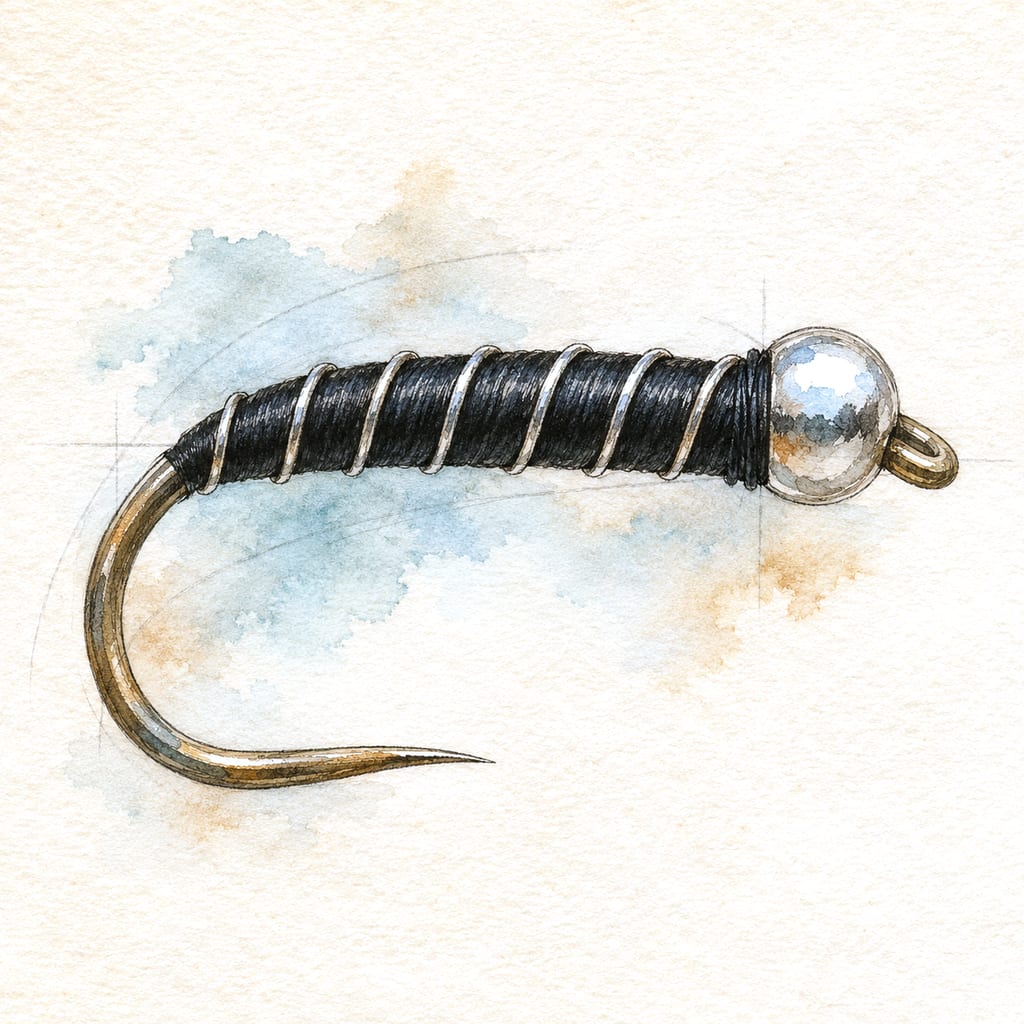
A small midge pupa or a zebra midge under an indicator, with a little weight, on 6X.
- 2
Where to stand
On the cobble shelf, casting out to the edge where the pale bottom drops into the blue-green channel.
- 3
The drift
Short, slow and many. Mend so the flies sink before they reach the drop-off.
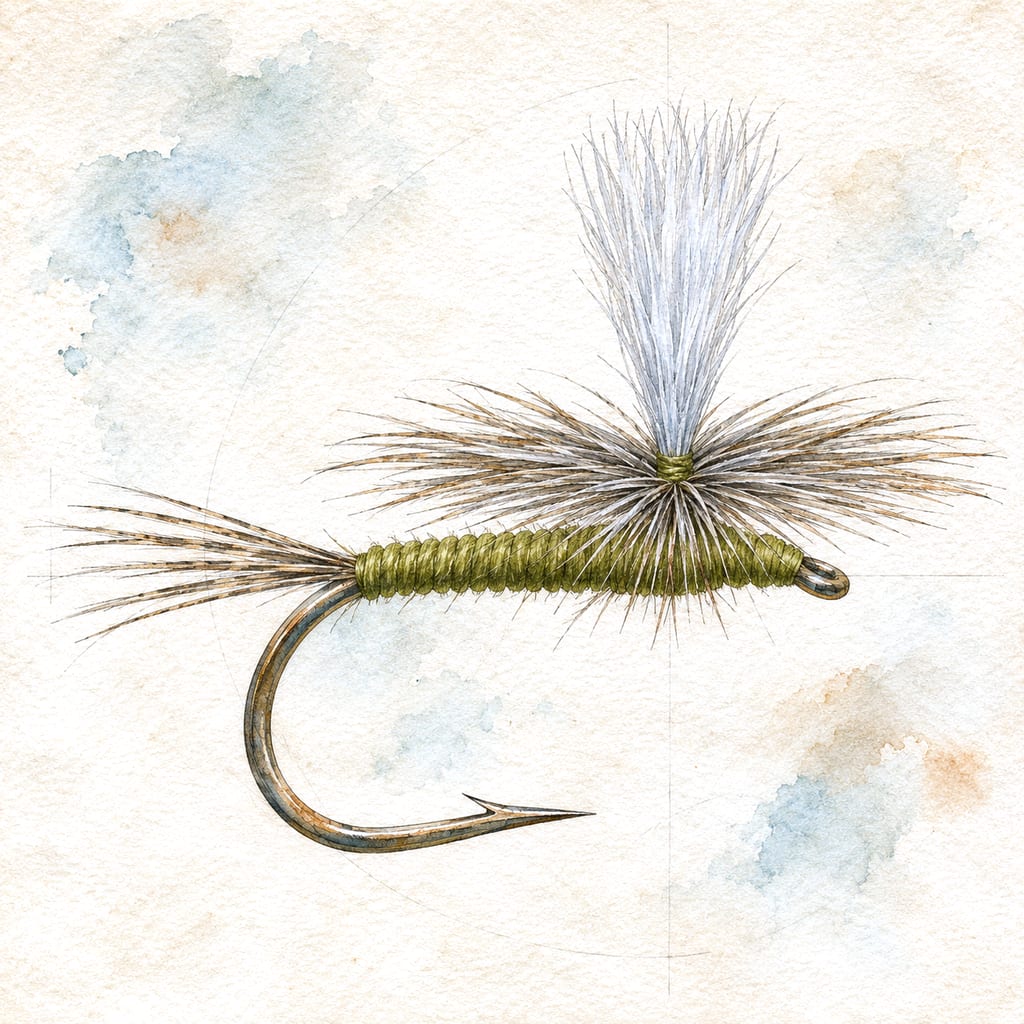
The flies for it
Read the water
The water to read here.
One piece of water typical of this stretch, from the bank, at low water. Put on the glasses and find the likeliest lie before you cast.
Move the lens over the water and the glare lifts. Or press a number.
Tap the water where your first cast would land, or choose a place from the list.
What would change This is low-water reading only. When the dam generates, the shelf goes under first and the drop-off moves out of reach: walk out.
A typical piece of water for this stretch, photographed from the bank at low water; the notes are Ben’s.
The seasons here
The same water, four ways.
Winter
Often the clearest water of the year, with midges on most days. Fish the middle of the day, when the sun is on the water.
Spring
Olives on gray afternoons. Watch for small, sipping rises along the edge of the drop-off.
Summer
The coldest water on the river, even in August, and fog in the mornings where it meets the warm air.
Fall
The lake turns over late in the season and the water can lose some of its clarity for a while. Midges and small nymphs still work.
Its insects through the year
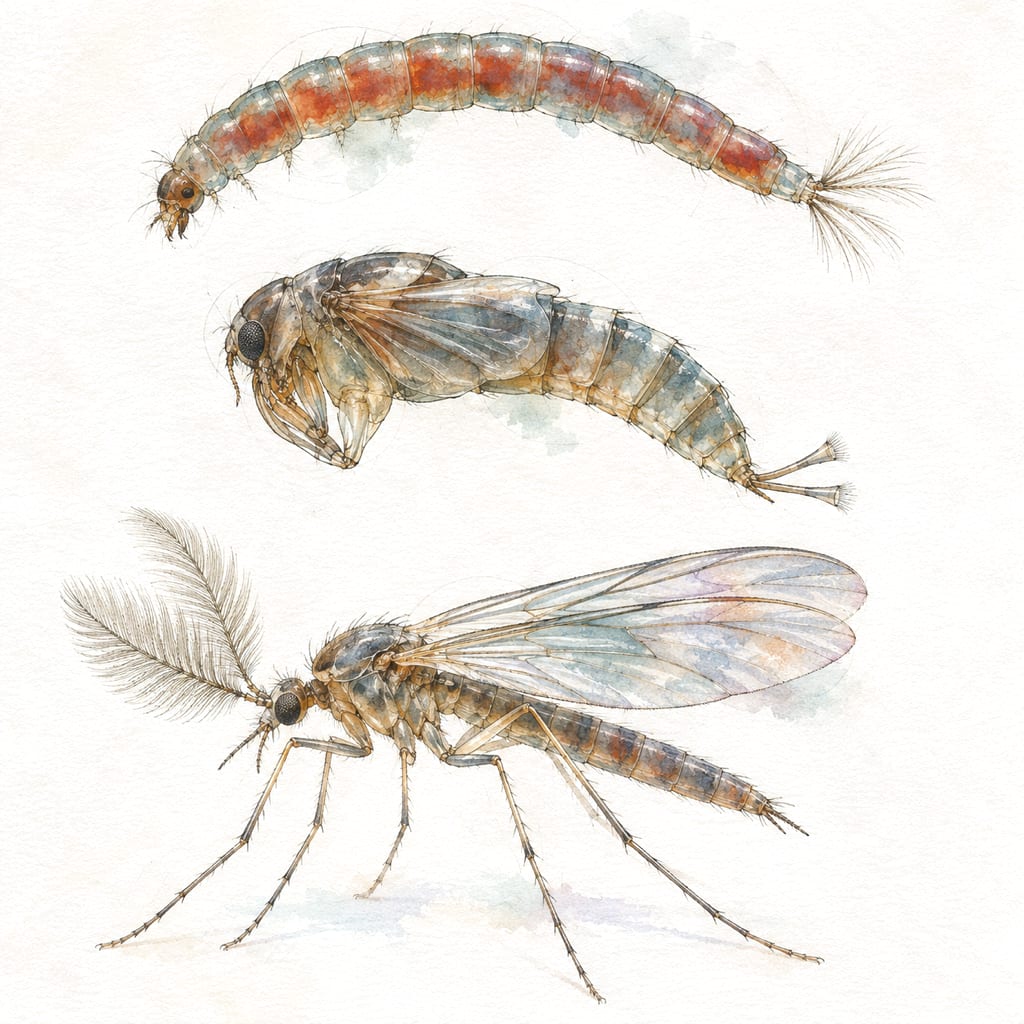
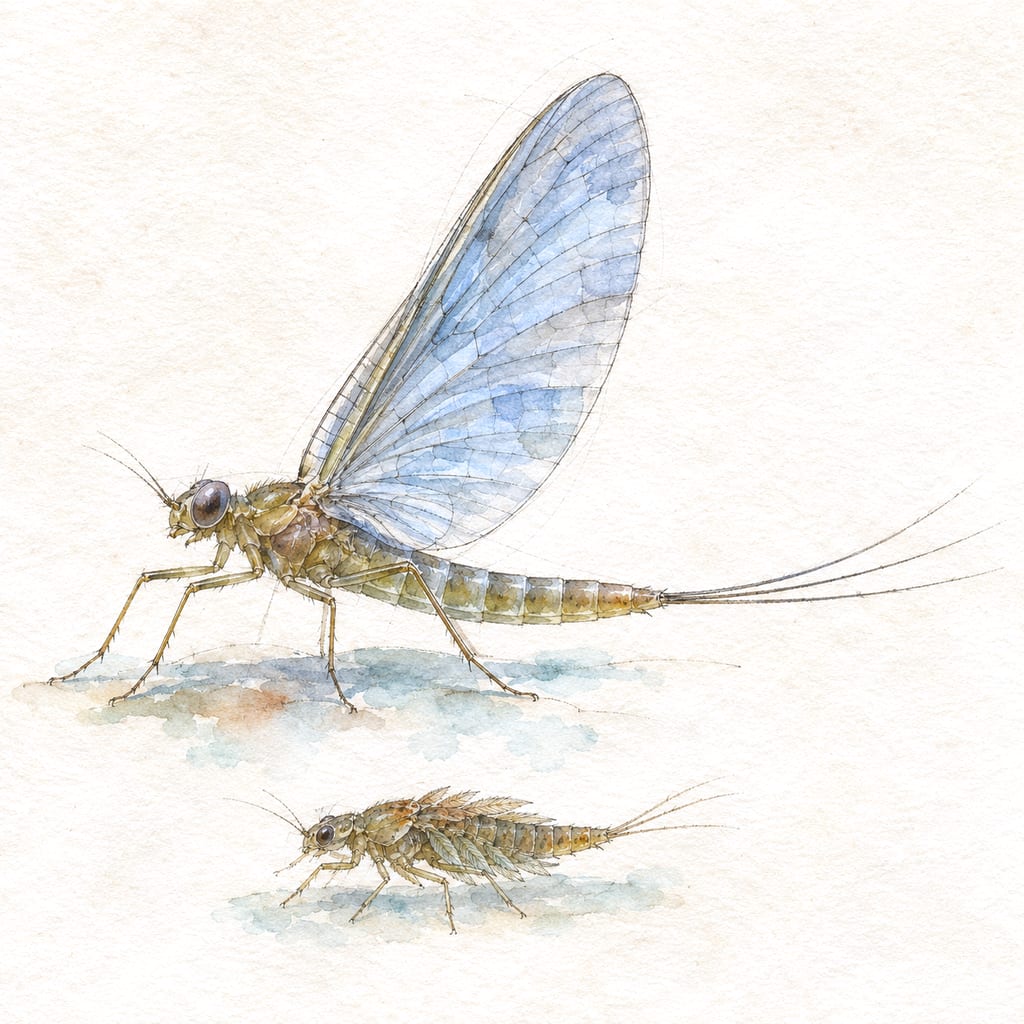
From the hatch table: a typical year. Make a field card for this stretch.
Before you go
Below the dam, the river can rise within minutes.
Water released from Buford Dam begins rising at Lower Pool Park in under 15 minutes, by the park’s estimate, and the Corps warns it can rise as much as 11 feet within minutes. Check the Corps’ Buford Dam generation schedule before you leave, and again before you step in. Mark a rock at the waterline when you arrive and look at it often. If it goes under, or the water pushes harder or changes color, walk out. Between Buford Dam and GA 20, leave the water immediately if the warning horn sounds. Leave as soon as conditions change; do not wait for a horn.
- The rule here
- From Buford Dam down to the GA 20 bridge, a life jacket must be worn while wading. The general Georgia trout regulations apply; the river has no closed trout season.
- License
- Anglers 16 and older need a Georgia fishing license and, in most cases, a trout license.
- The water
- The park posts an estimated E. coli count for Medlock Bridge; above 235 it advises against contact with the river.
Release times are the park’s estimates for each launch. Rules change: check Georgia’s current trout regulations and the park’s notices before you go.