Stretch four of five · Broken shoal water and long granite ledges
Jones Bridge to Island Ford
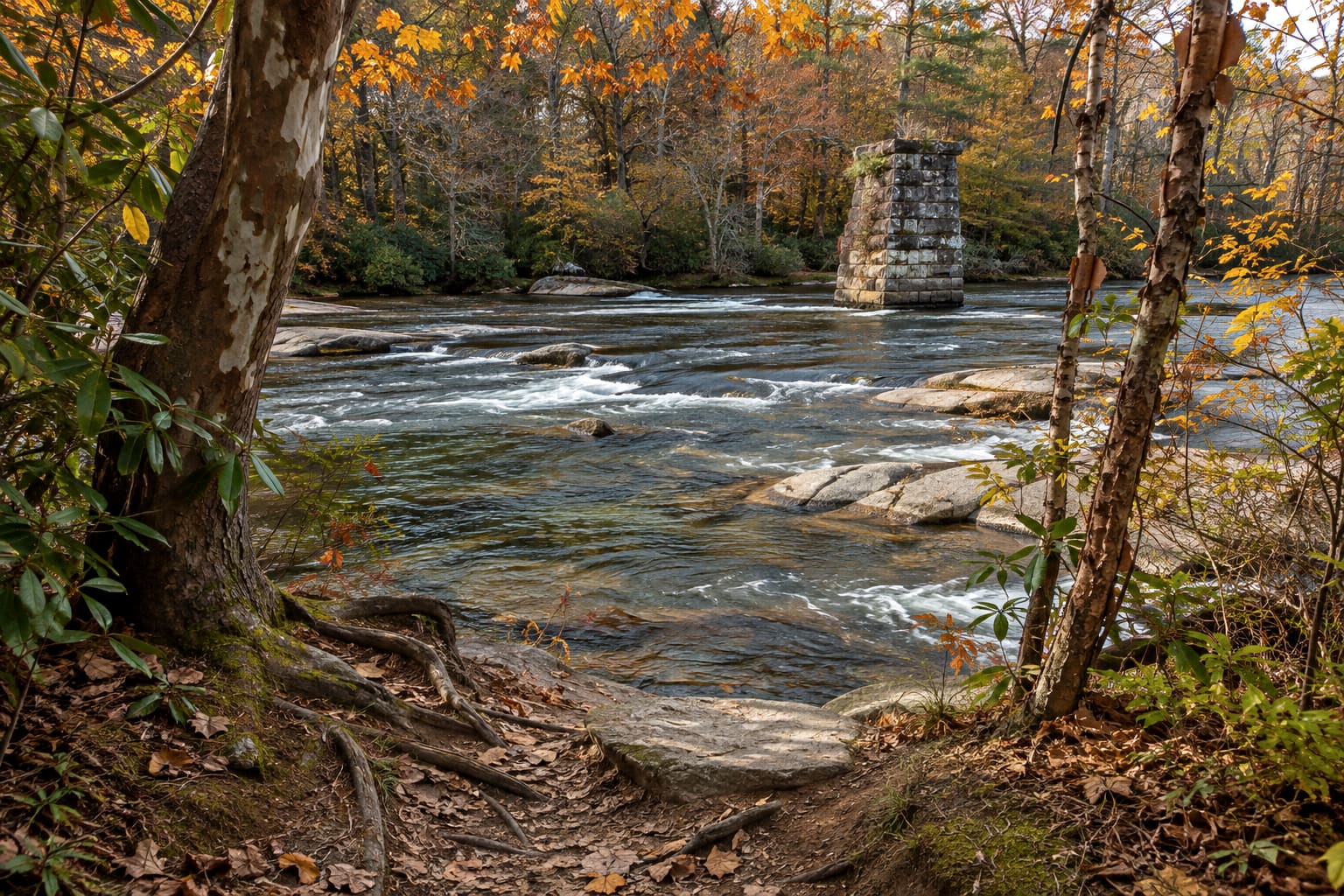
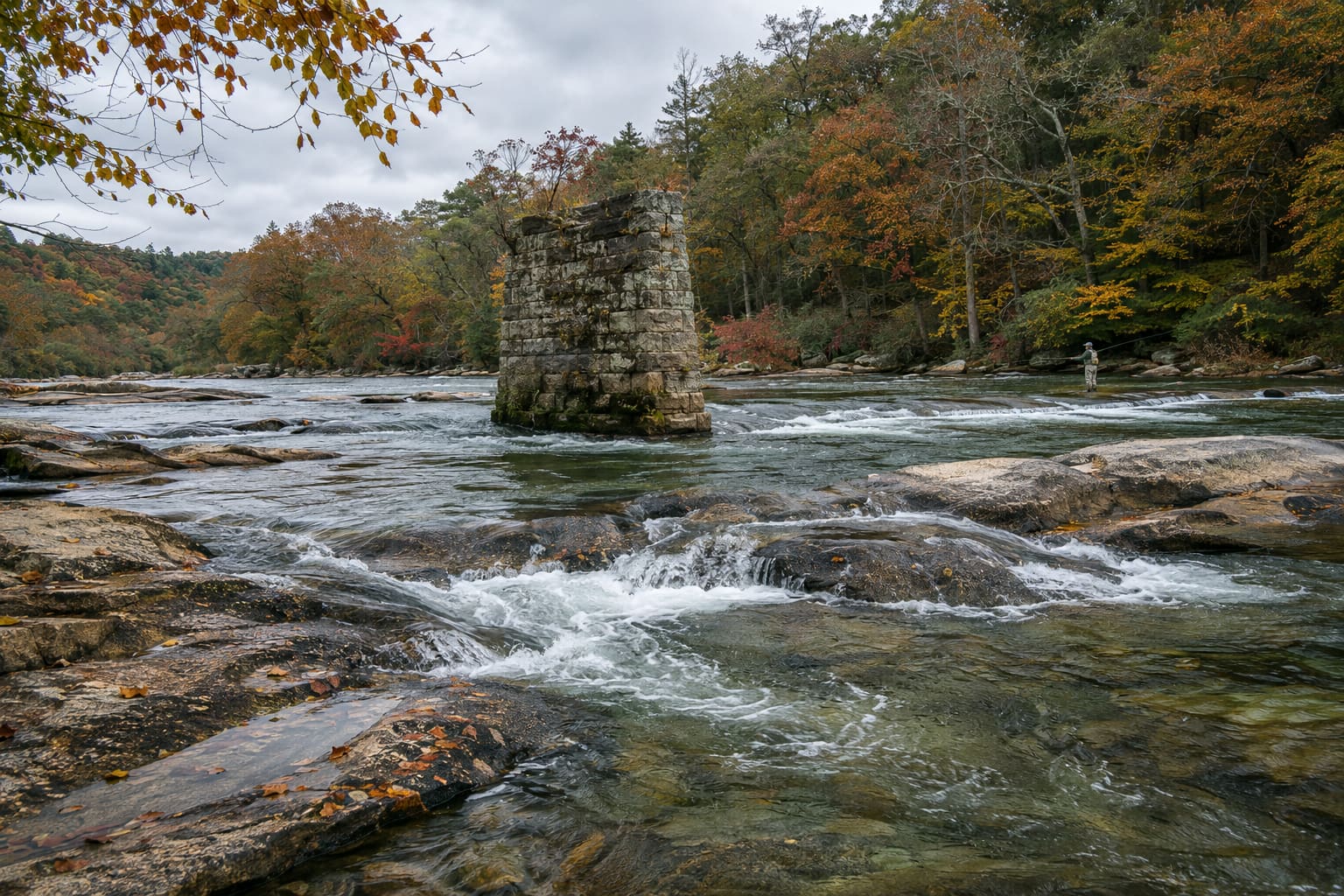
The shoals at Jones Bridge are the river at its most broken and its most beautiful: dozens of rocks and ledges, white water between them, and small dark pockets of calm tucked behind the boulders. Every pocket is a decision.
- The water
- Broken shoal water and long granite ledges
- How it’s fished
- Wade, with a staff
- Getting in
- Jones Bridge and Island Ford
- What hatches
- Midges, caddis, terrestrials
Drawn, not surveyed. Parking, hours and fees are set by the park; check before you go.
Getting in
Where to get in.
Jones Bridge
A boat ramp by the old bridge. The lone pier in the river is the landmark.
Island Ford
The park’s visitor center at Hewlett Lodge, with a hand launch for canoes and rafts and quieter water along the river.
Wading. Classic shoal wading. Pick your route before you step off, and carry a staff.
The water, drawn
Three pockets, compared.
- 1The big pocket. Deep, calm water behind a big boulder, a rod-length from a seam. Worth three or four careful drifts.
- 2The small pocket. Shallow and short. One drift, high-sticked, then move on.
- 3The pocket with no pocket. A rock in the full push of the current, with fast water closing straight behind it. Skip it.
Drawn to explain, not surveyed.
Read the water
The water to read here.
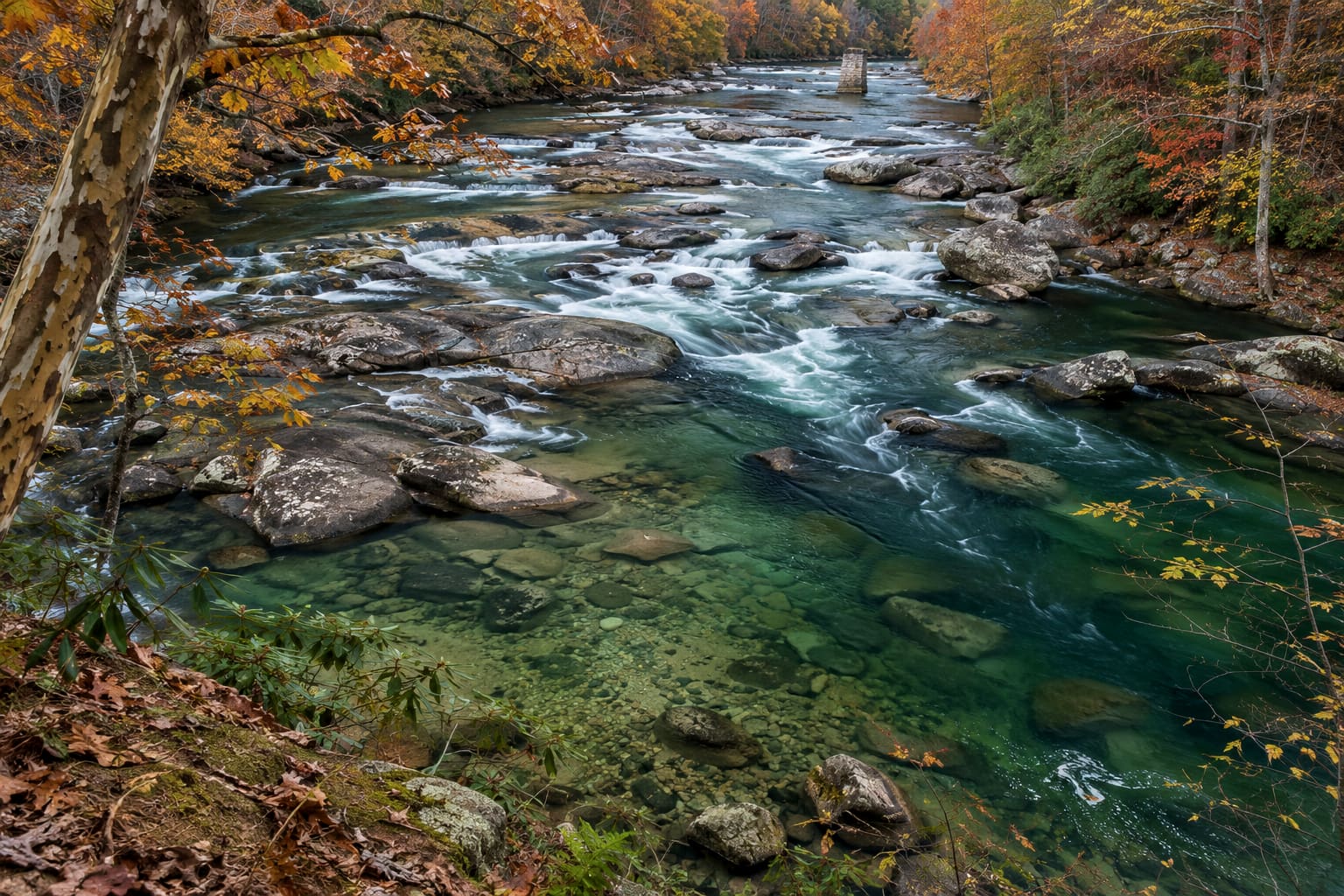
One piece of water typical of this stretch, from the bank, at low water. Put on the glasses and find the likeliest lie before you cast.
Move the lens over the water and the glare lifts. Or press a number.
Tap the water where your first cast would land, or choose a place from the list.
What would change As the water rises the pockets fill and join into one run; at very low water some of them empty.
A typical piece of water for this stretch, photographed from the bank at low water; the notes are Ben’s.
How to fish it
Nymph the pockets behind the boulders and the lips of the ledges. In fall, walk the shallows slowly and look for browns before you cast.
- 1
The rig
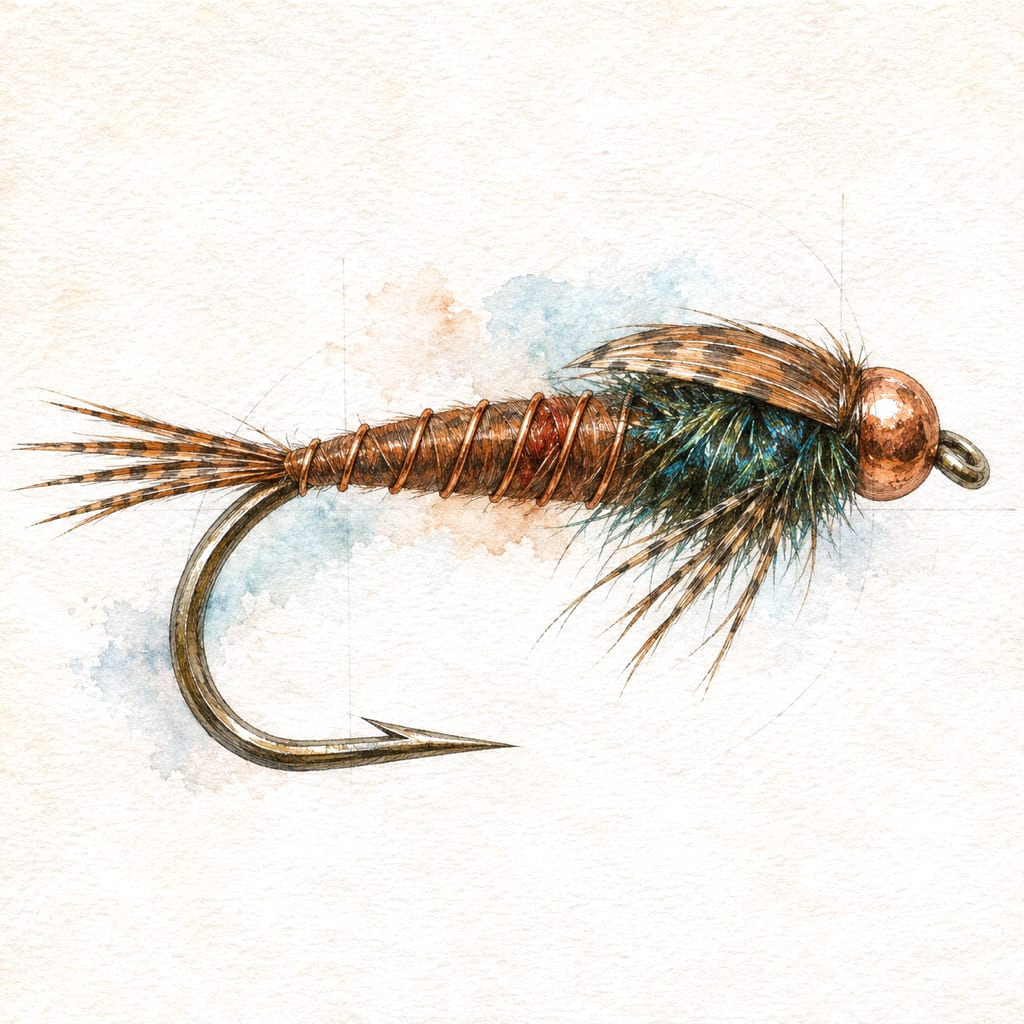
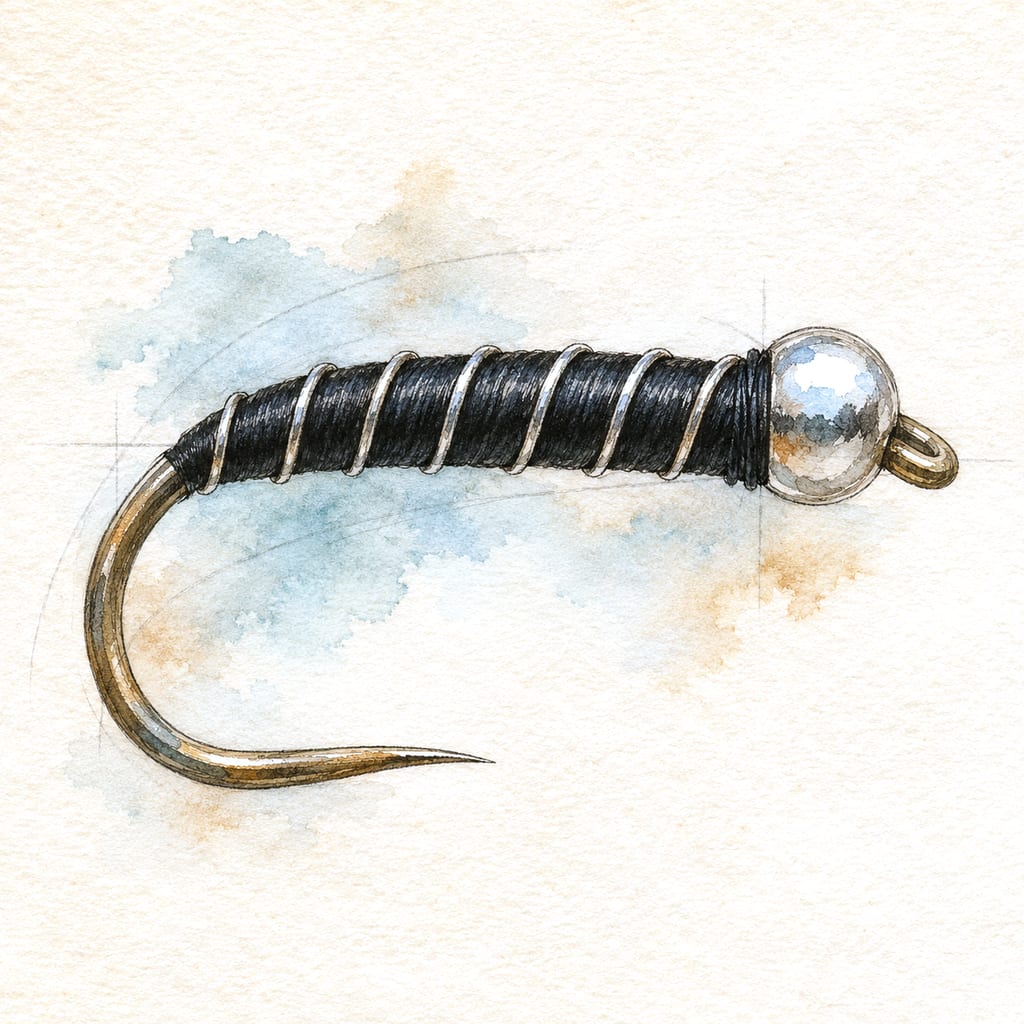
Two small nymphs, high-sticked: a pheasant tail and a zebra midge, with enough weight to tick the bottom.
- 2
Where to stand
Beside a pocket, close, with the rod held high so almost no line touches the water.
- 3
The drift
Lead the flies through the pocket by hand. Short drifts, one pocket at a time, then move.
The flies for it
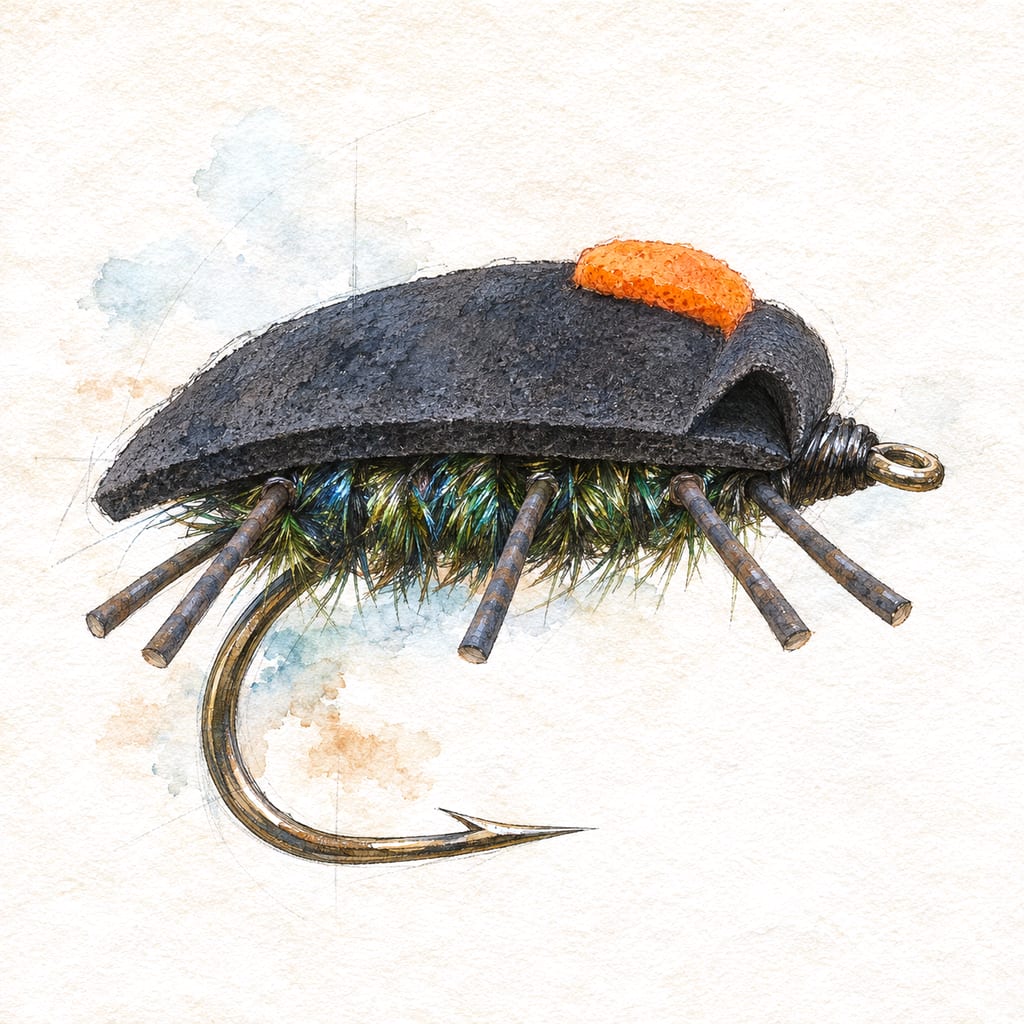
The seasons here
The same water, four ways.
Winter
Midges and small nymphs in the deeper pockets; the low winter sun makes the shoal easy to read.
Spring
Caddis on the riffles between the ledges, and the first terrestrials late in the season.
Summer
Early mornings in the pockets, and beetles along the shaded edges in the afternoon.
Fall
Browns move up into the shallows. Look before you cast, and leave fish that are spawning alone.
Its insects through the year
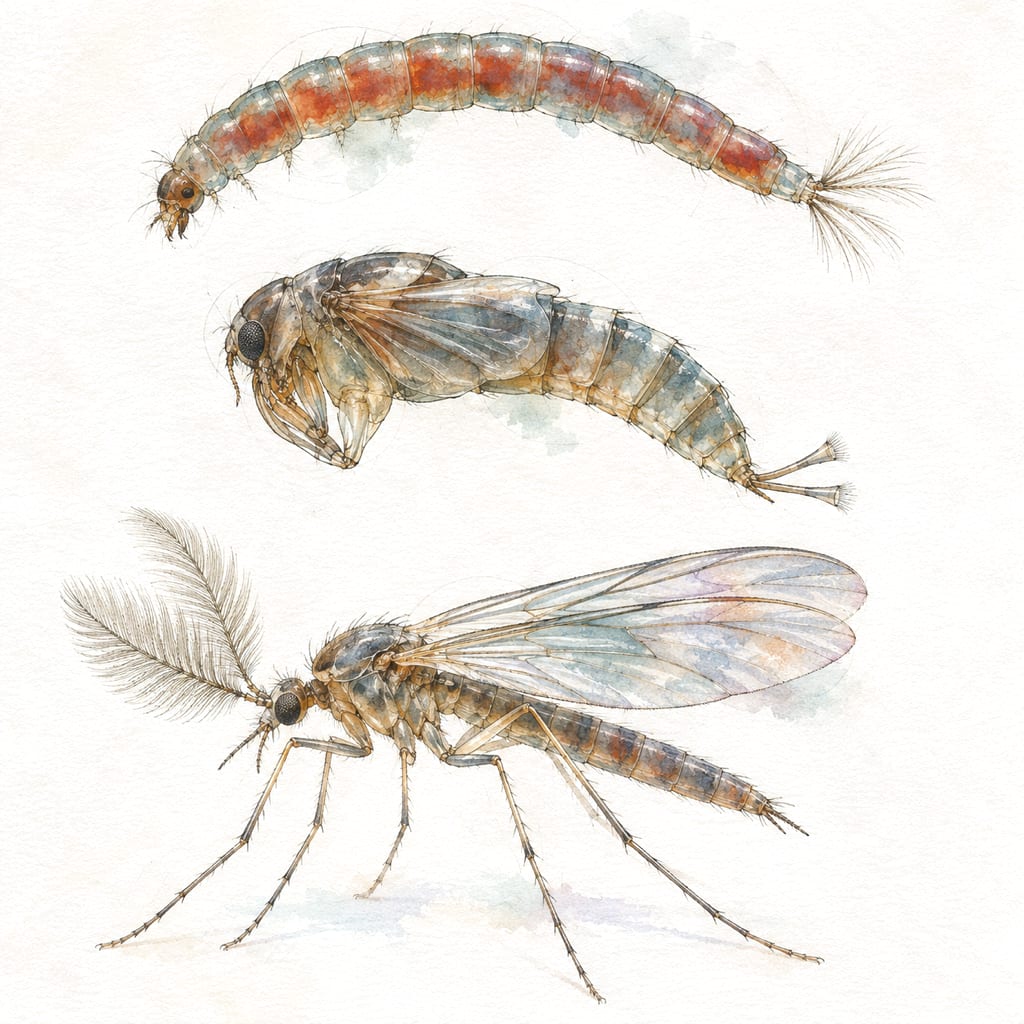
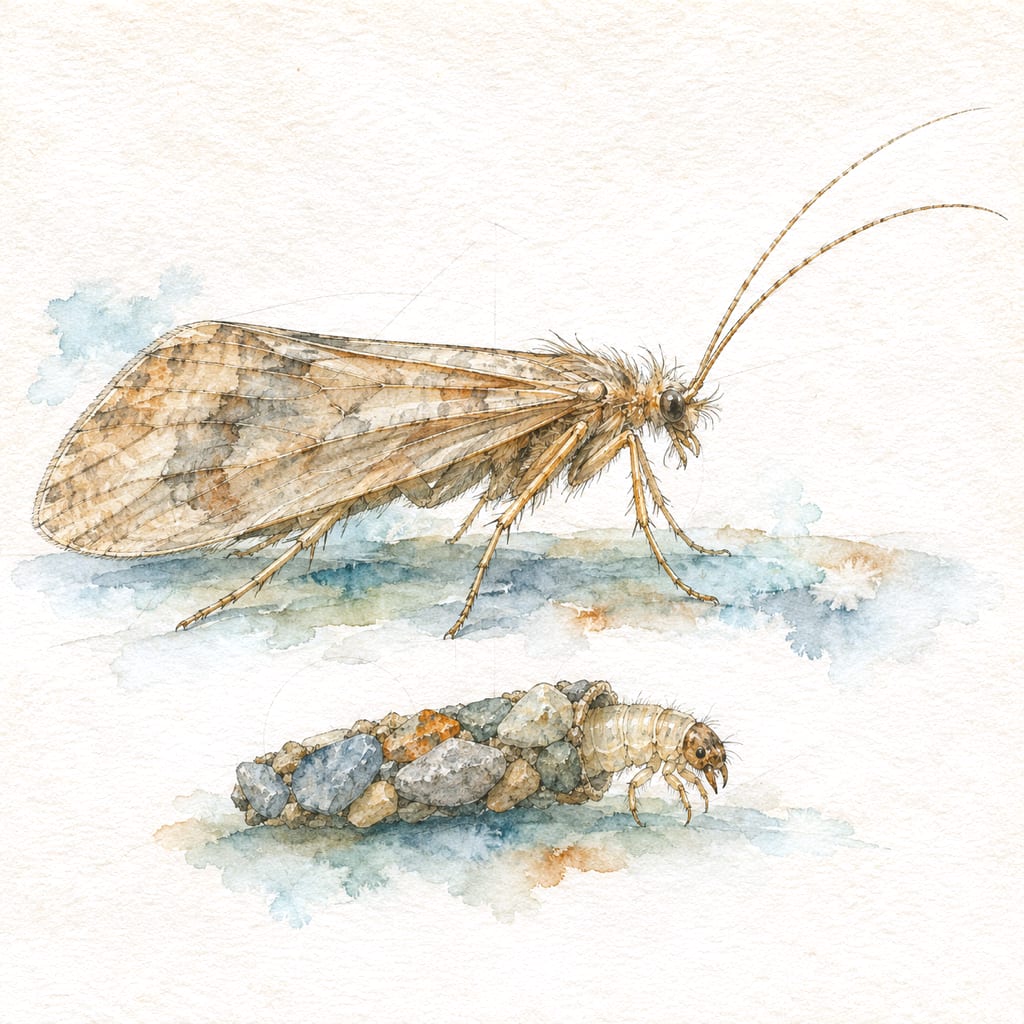
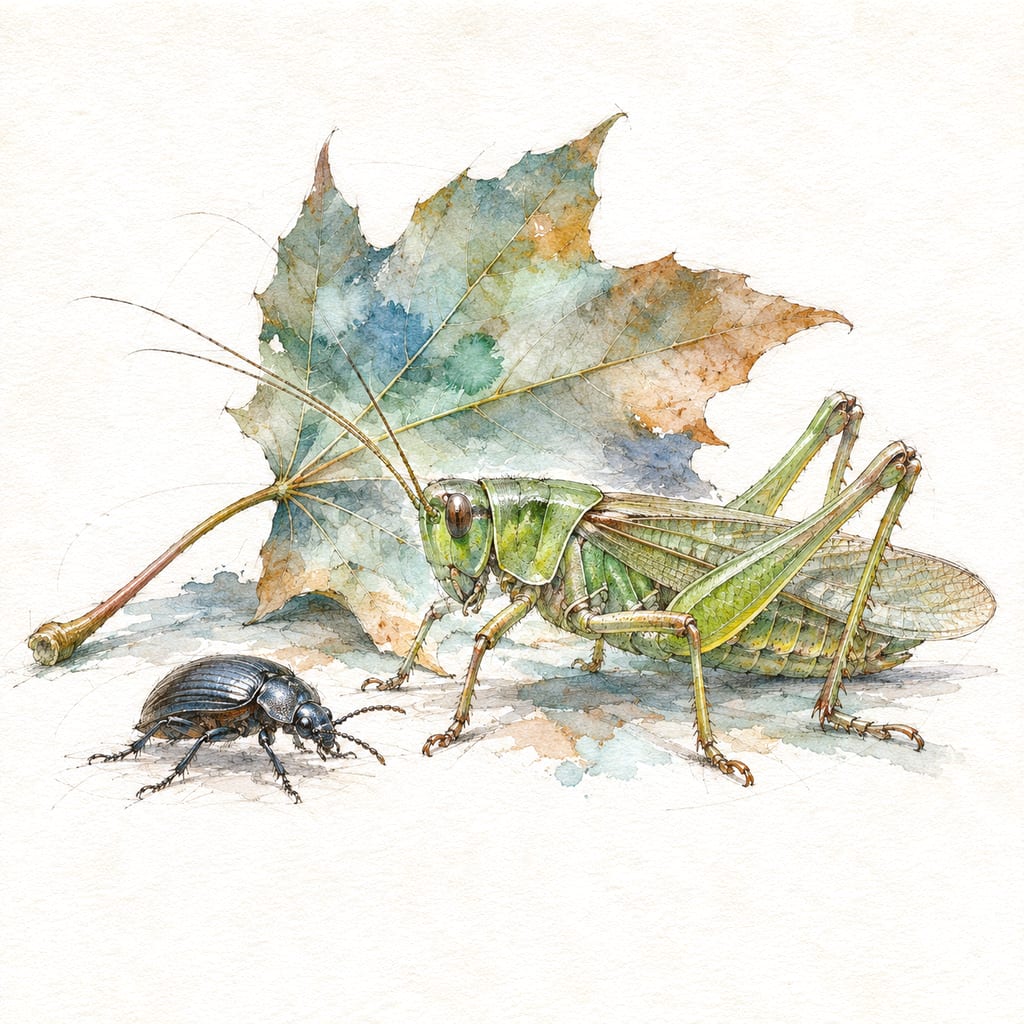
From the hatch table: a typical year. Make a field card for this stretch.
Before you go
Released water takes nearly four hours or more to reach Jones Bridge.
Water released from Buford Dam begins rising at Jones Bridge in about 3 hours 45 minutes to 6 hours, and at Island Ford in about 6 hours 30 minutes to 8 hours 45 minutes, by the park’s estimates. Check the Corps’ Buford Dam generation schedule before you leave, and again before you step in. Classic shoal wading. Pick your route before you step off, carry a staff, and know which way you will come back.
- The rule here
- The general Georgia trout regulations apply; the river has no closed trout season.
- License
- Anglers 16 and older need a Georgia fishing license and, in most cases, a trout license.
- The water
- The park posts an estimated E. coli count for Medlock Bridge; above 235 it advises against contact with the river.
Release times are the park’s estimates for each launch. Rules change: check Georgia’s current trout regulations and the park’s notices before you go.